Water Damage Restoration Banning, CA
24/7 water damage restoration in Banning, CA. The restoration team extracts standing water, dries slab homes, walls and ceilings to the IICRC S500 standard and documents every step for the insurance claim.
(888) 563-9619Get the water out of the house now- 24/7 dispatch in the pass
- IICRC S500 drying standard
- Truck-mounted extraction
- Moisture readings every day
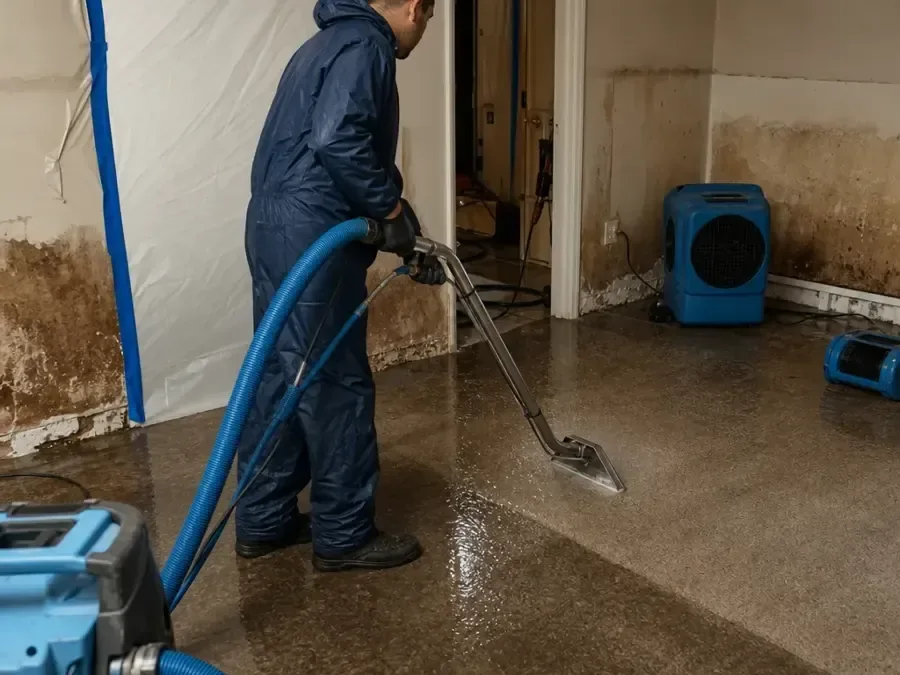
Water Damage Restoration Services in Banning, CA
Water and sewage only, grouped by where the water starts in a pass home: the pipes, the appliances, the roof and sky, and the cleanup that follows.
Leaks in the supply and drain pipes
Pressurized pipes do the fastest damage, whether they split in a winter freeze or leak under a slab.
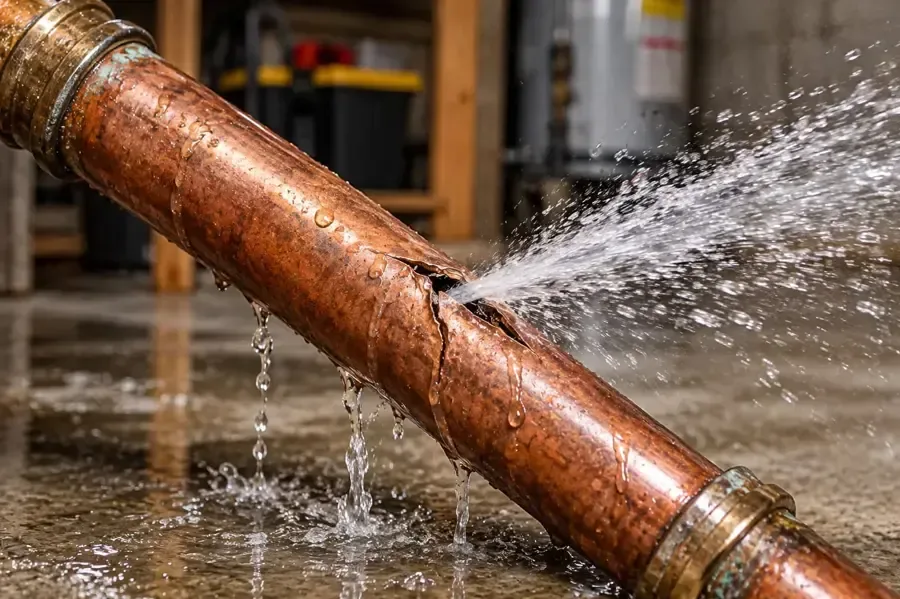 Burst Pipe Water DamageA split supply pipe floods rooms fast; the crew extracts, opens wet cavities and dries them.View service
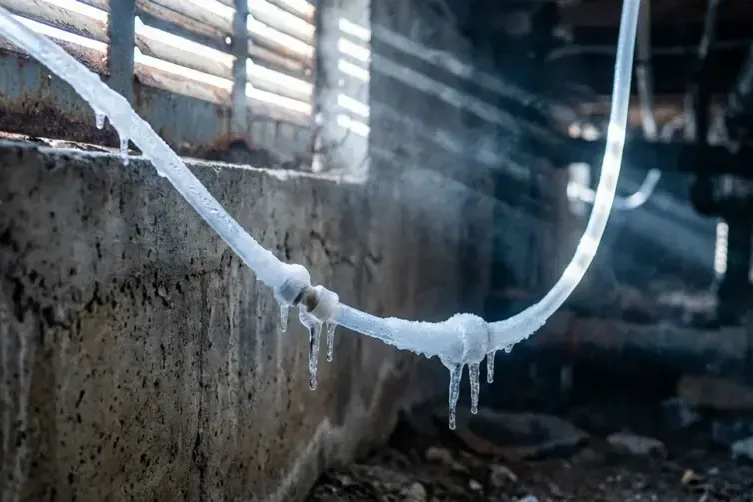 Frozen Pipe Water DamagePipes in garages and outside walls split on hard freeze nights and leak once they thaw.View service
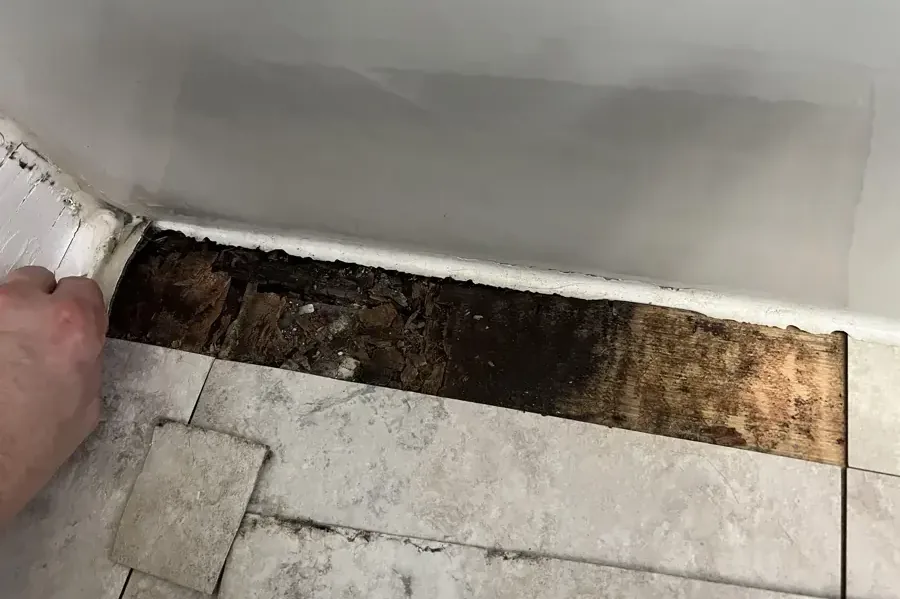 Slab Leak Water DamageA pressurized pipe leaking under the concrete slab soaks flooring, baseboards and wall bottoms.View service
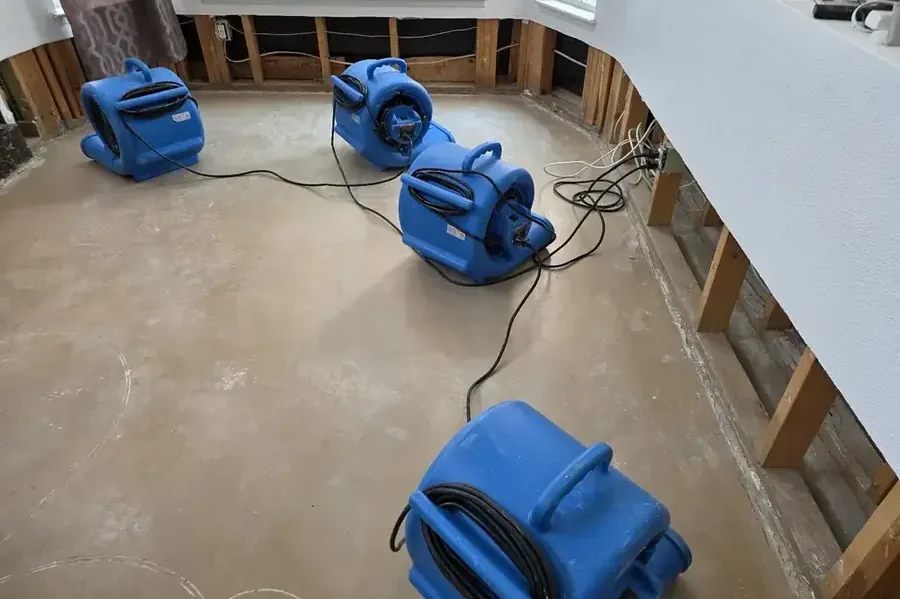 Hidden Leak Water DamageSlow supply and drain leaks inside walls stain drywall and swell baseboards long before anyone sees water.View service
Tanks, hoses and cooling equipment
Garage water heaters, washer hoses and attic air handlers fail without warning.
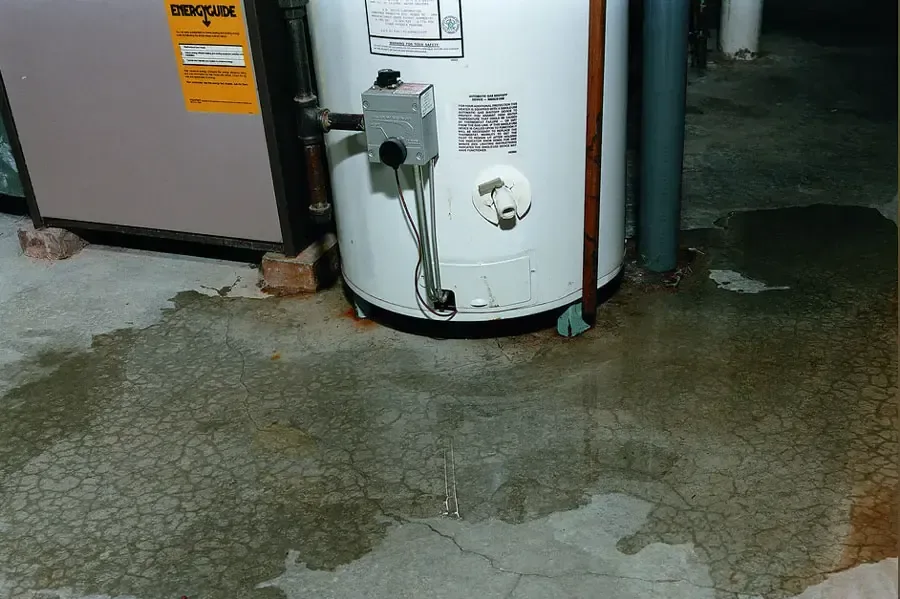 Water Heater Leak CleanupA failed tank or relief valve dumps dozens of gallons across a garage or closet floor.View service
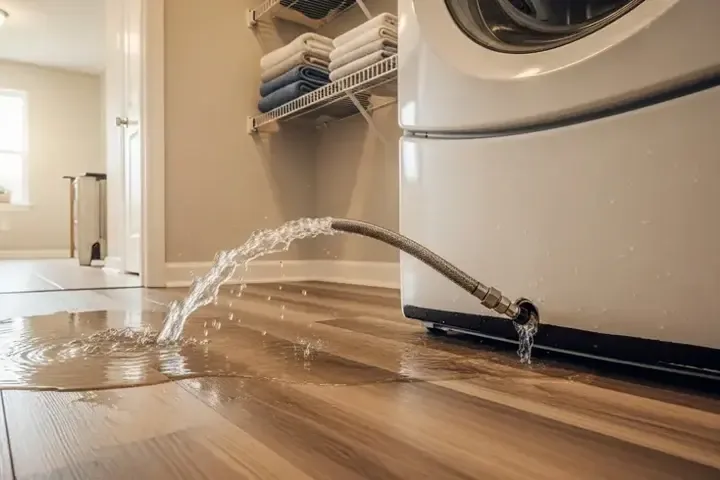 Appliance Leak CleanupWasher hoses, dishwashers and ice maker tubing leak under cabinets and floating floors.View service
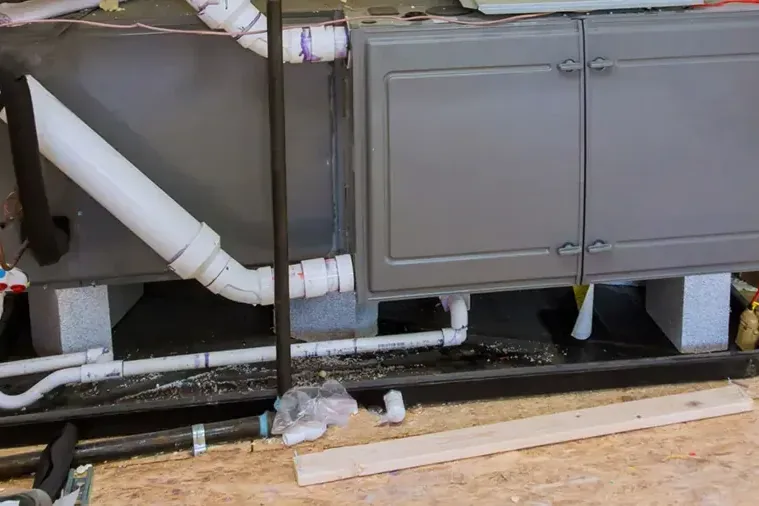 AC Condensate Leak CleanupA clogged condensate drain overflows the pan above the ceiling during long summer cooling runs.View service
Water that comes from above or outside
Winter storms, snowmelt and late-summer thunderstorms find the weak spots.
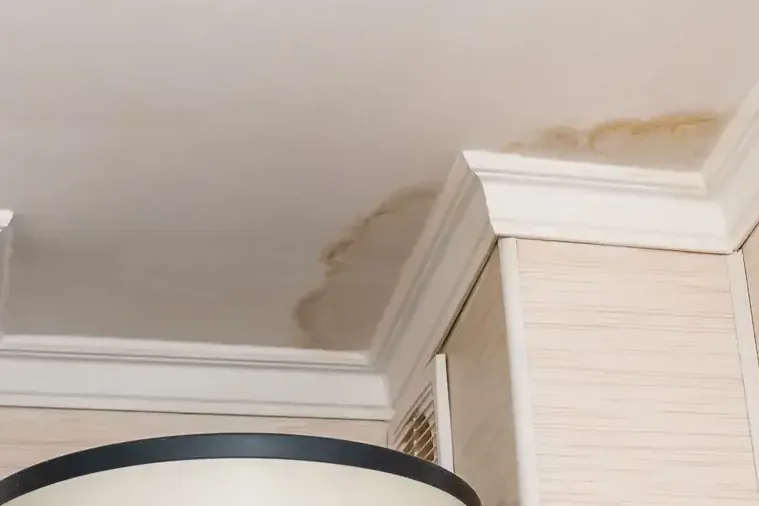 Ceiling Leak Water DamageWater from a bathroom or supply pipe above sags drywall and soaks the insulation.View service
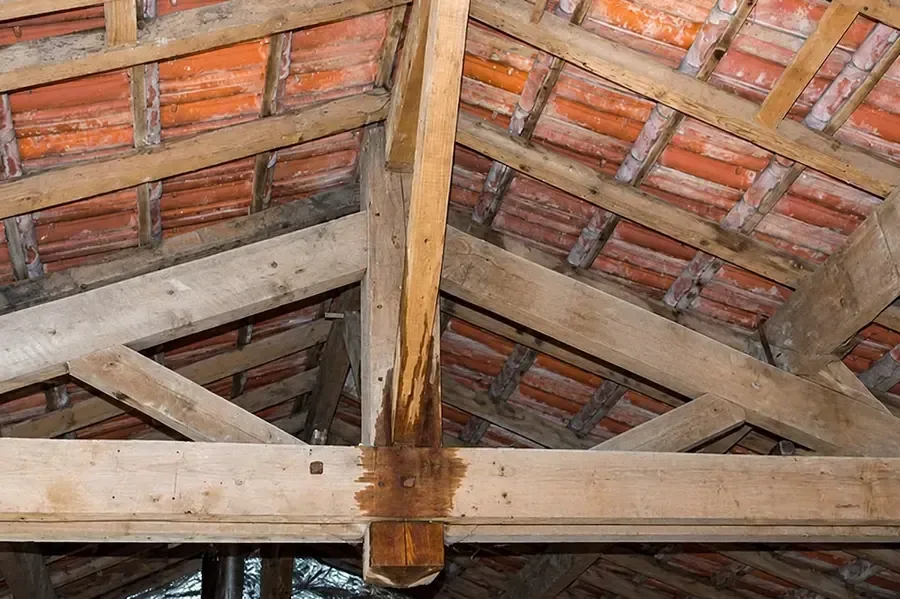 Roof Leak Water DamageStorm and snowmelt water through flashing and valleys wets the attic, insulation and ceilings.View service
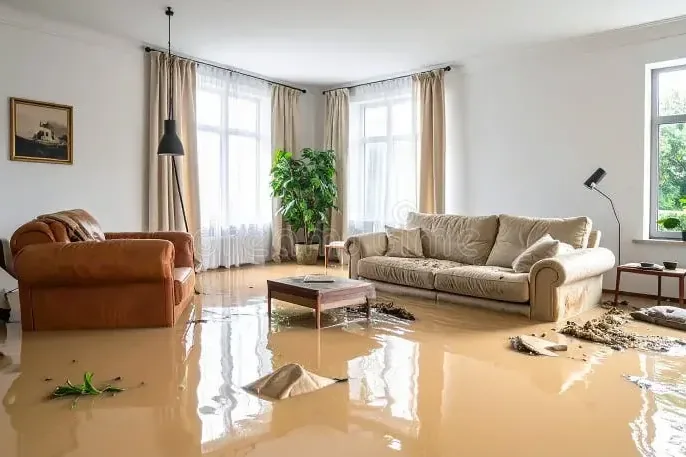 Storm and Flood CleanupRunoff from winter storms and tropical remnants pushes muddy water into garages and living areas.View service
The core of every dry-out
Every loss ends the same way: water out, structure dried to a reading, contamination handled.
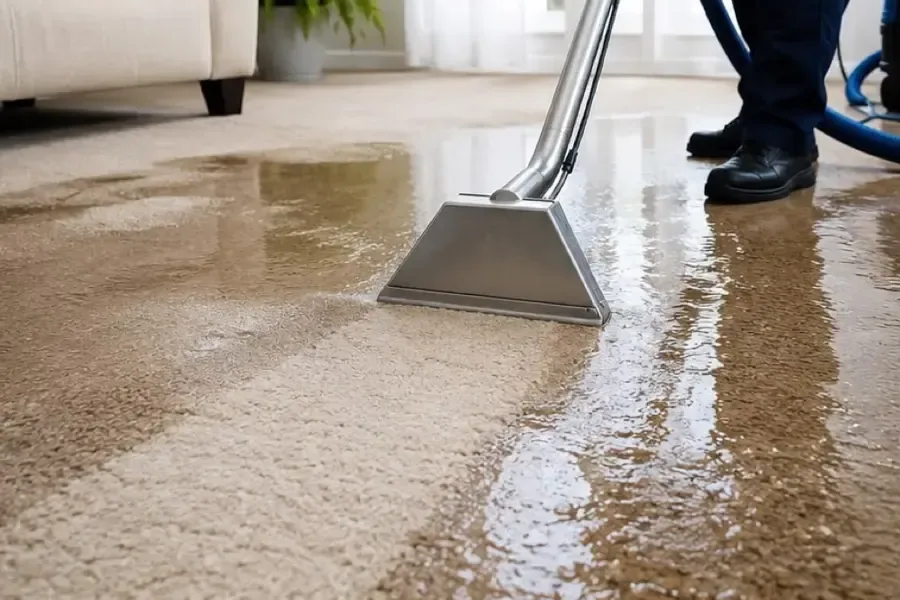 Water ExtractionTruck-mounted extraction pulls standing water out of carpet, pad and tile before it wicks into walls.View service
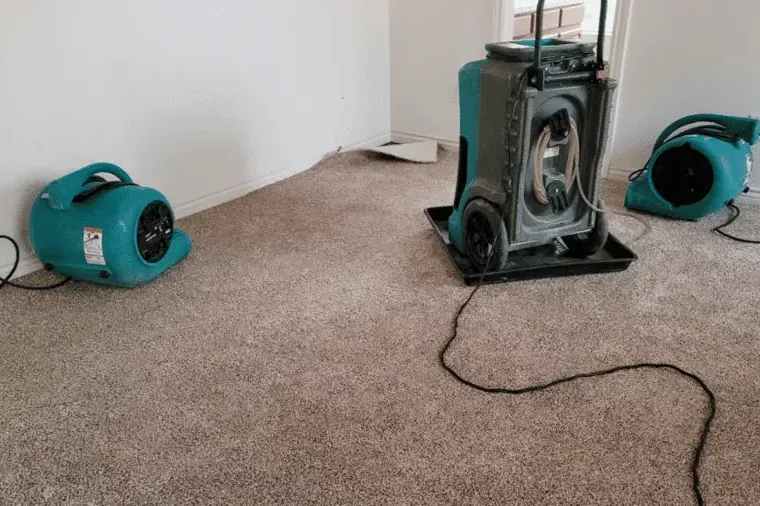 Structural DryingAir movers, LGR dehumidifiers and daily readings dry framing and subfloor, not just surfaces.View service
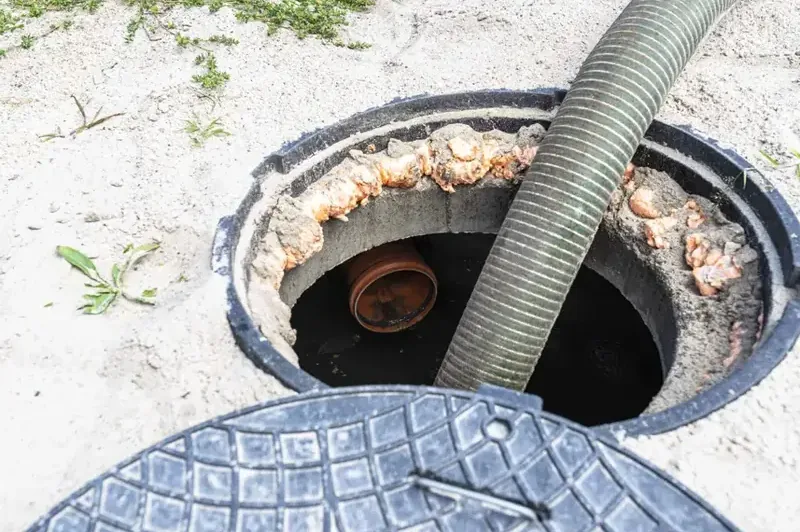 Sewage Backup CleanupCategory 3 cleanup: containment, removal of porous materials and an EPA-registered antimicrobial.View service
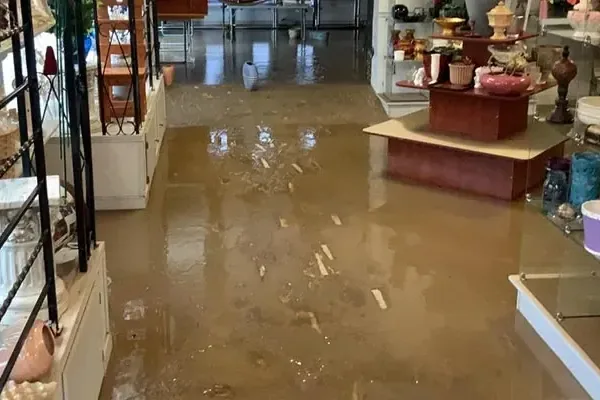 Commercial Water DamageOffices, shops and rentals get extraction and drying planned around business hours.View service
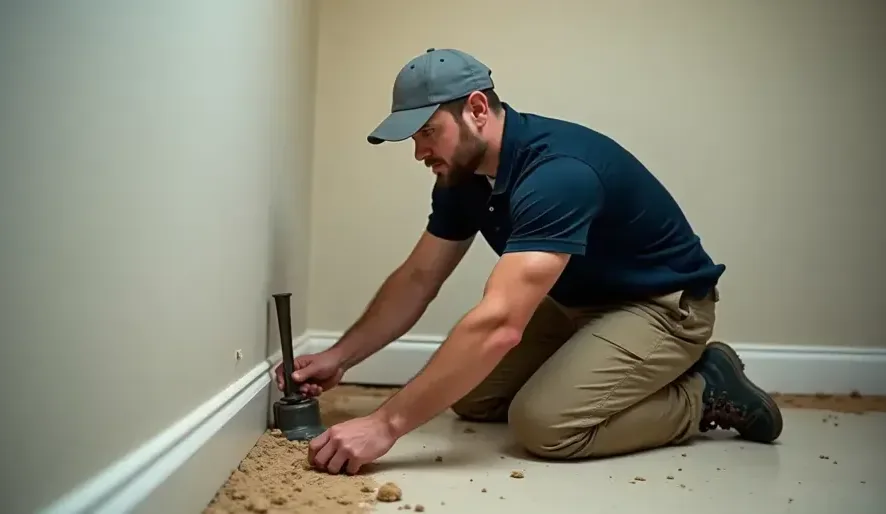
Water damage experts for pass homes, day and night
Banning sits in the San Gorgonio Pass at about 2,300 feet, high enough for winter snow and low enough for long, dry summers. Homes here run from mid-century houses near downtown and Ramsey Street to the tracts added along Interstate 10 since the 1990s, and each era takes on water in its own way.
The restoration team handles the losses that come with that housing: a pipe that splits in a garage on a freezing night, a slab leak under tile, a water heater failing in a closet, an air handler overflowing above a ceiling. The drying team dries to the IICRC S500 standard and documents every step for the claim.
Inside a pass dry-outHow a water loss is handled, start to finish
Every dry-out follows the same order, whatever the source.
- 1
Rapid local response
The response team treats an active leak as urgent, day or night, and walks the household through the shutoff while the extraction crew loads up.
- 2
IICRC S500 drying standard
The tech who does the walkthrough maps the moisture first, then the drying team sets air movers and LGR dehumidifiers to each room's load.
- 3
Claim-ready documentation
Daily readings, psychrometric logs and timestamped photos go into one file that an adjuster can follow line by line.
- 4
Local water know-how
Crews that work the pass know its freeze nights, storm runoff off the mountains and the slab plumbing under its newer tracts.
What to do while the water is still moving
Mold can start within 24 to 48 hours, so these four moves buy the most time.
- Step 1Close the main shutoff
Find the main valve, often where the water service enters the house or near the garage, and turn it off.
- Step 2Cut power to wet rooms
Switch off breakers for wet rooms, but only if the panel itself is dry and safe to reach.
- Step 3Keep clear of the water
Stay out of standing water near outlets, cords, appliances and the water heater.
- Step 4Photograph, lift, then call
Photograph everything before moving it, lift rugs and valuables, then call to get drying started.
All water damage categories covered in Banning, CA
Category 1, clean water
A burst supply pipe, a slab leak or a water heater. Extracted and dried in place before it sits long enough to turn dirty.
Burst pipe cleanupCategory 2, gray water
A washer drain, a dishwasher or an AC condensate overflow. Carries some contamination, so soaked pad and porous materials are cleaned or removed.
Appliance leak cleanupCategory 3, black water
Sewage backups and storm runoff. Contained, porous materials removed, surfaces treated with an EPA-registered antimicrobial.
Sewage backup cleanupWhat does water damage restoration cost in Banning, CA?
In Banning, water damage restoration typically runs $1,200 to $8,500 or more, set by the water category, the square footage, the material class and how fast drying started. A contained supply leak on tile over a slab sits at the low end; storm water or sewage through carpet and drywall sits at the high end.
- One or two rooms from a supply hose or appliance
- Extraction and in-place drying
- Three to five days of readings
- Carpet, pad and wall base affected
- Flood cuts where readings show wet cavities
- Air movers and LGR dehumidifiers
- Sewage or storm water, Category 3
- Porous materials removed, antimicrobial applied
- Containment and extended drying
For a planning range, try the water damage cost calculator or the drying time estimator.
Water damage dried to the IICRC S500 standard
- IICRC S500 drying standard
- Truck-mounted extraction
- Daily moisture readings
- Structural drying, not just surface
Equipment stays until the readings say dry, not until the room looks dry. The drying goal is wet materials within 2 to 4 points of a dry reference, and Class 1 through 4 sets how much equipment each room needs.
The gear a real dry-out runs on
- Truck-mounted extraction pulls standing water out of the house.
- Air movers set to the evaporation load of each room.
- LGR dehumidifiers, and desiccants for Class 4 materials.
- Thermal imaging and pinless meters find water behind walls.
Documentation for your insurance claim
- The moisture map from the first walkthrough
- Daily psychrometric and moisture logs
- Timestamped photos taken before any demolition
- The category and class of the loss
- A line-item scope in the format adjusters use
A sudden and accidental pipe burst is treated differently from rising storm water, which falls under flood coverage. Coverage depends on your policy, so it is worth checking with your own insurer.
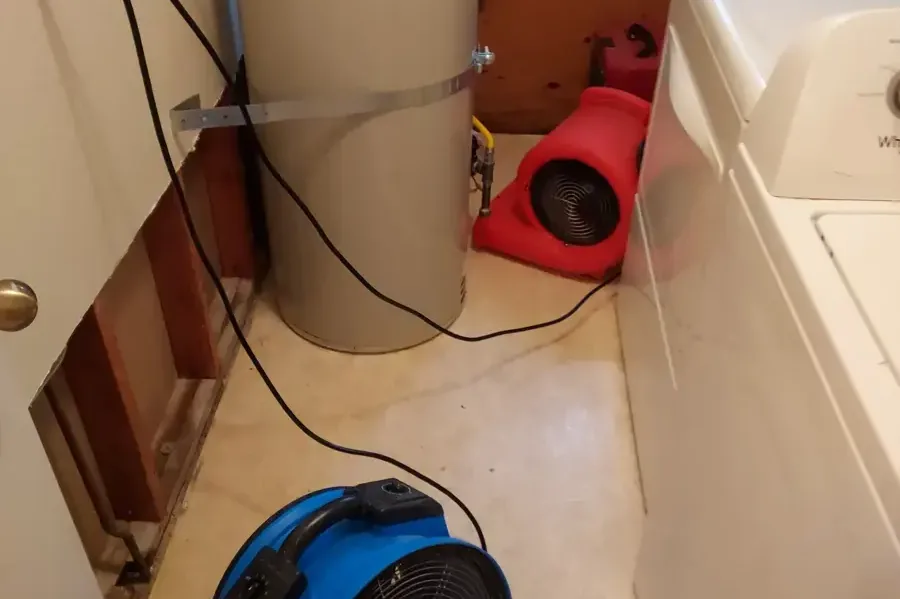
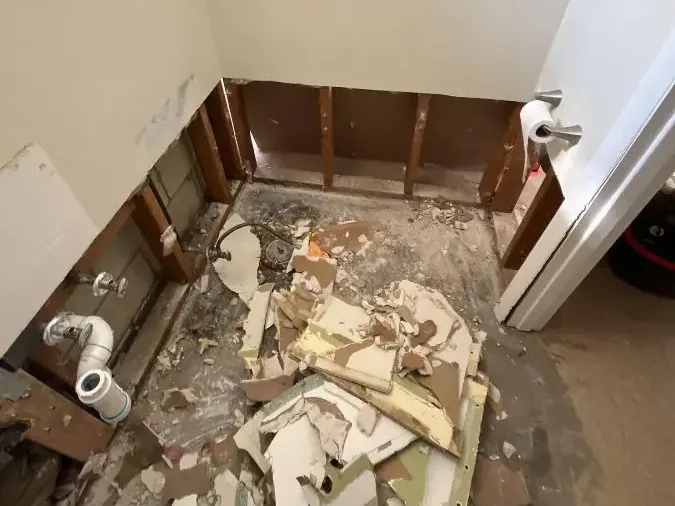
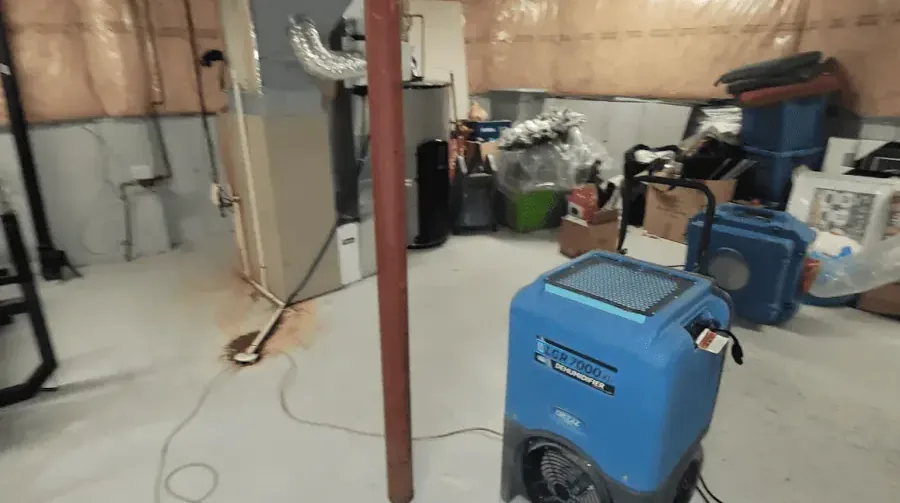
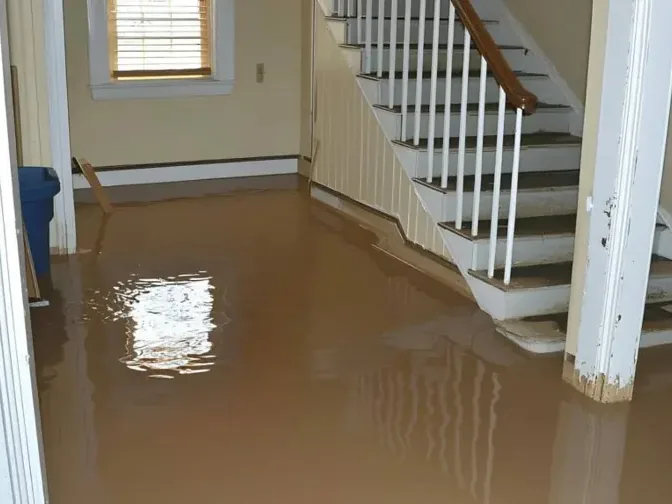
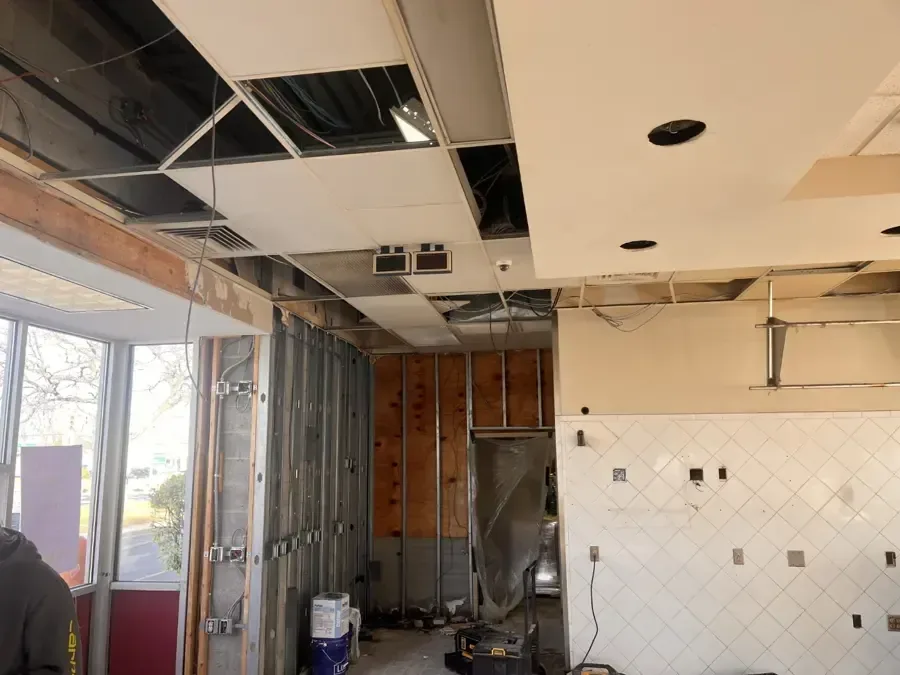
What a water damage dry-out looks like in Banning
Banning neighborhoods and the towns around the pass
ZIP code 92220 across the city, plus the neighboring towns, day or night.
- DowntownRamsey Street blocks by the railroad
- Banning Heightshomes toward Banning Canyon
- Gilman Ranch areanorth of downtown
- Interstate 10 corridortracts added since the 1990s
- San Gorgonio Riverhomes near the channel
- Airport areanear Banning Municipal Airport
ZIP code
- 92220
Nearby places
Beaumont, Cabazon, Calimesa, Yucaipa, Desert Hot Springs, Highland, Whitewater.
One call reaches Banning water damage pros, 24/7
The restoration team stays on call around the clock for every neighborhood in the city and for Beaumont, Cabazon and Calimesa, with extraction and drying equipment ready for a flooded garage or a soaked slab floor at any hour.
Why Banning homes take on water
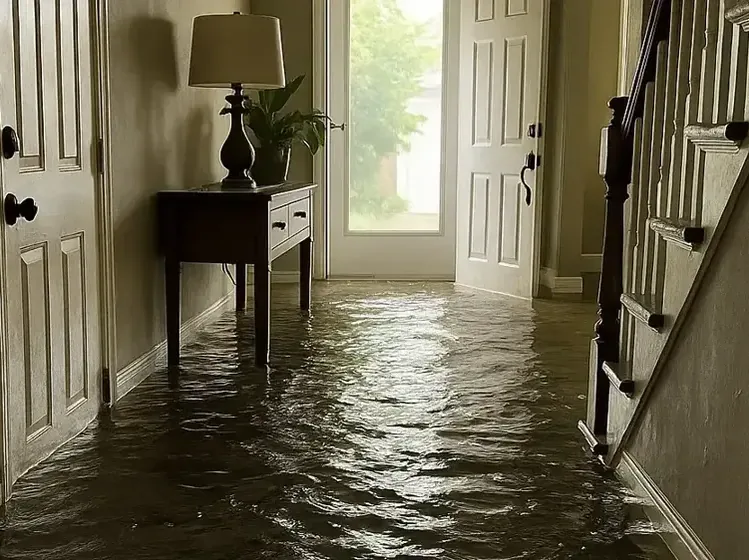
A pass city at about 2,300 feet gets weather the low desert does not: winter snow, storm runoff off the San Bernardino Mountains and late-summer tropical rain.
- September 17, 2025: The National Weather Service issued a Flood Watch for the San Gorgonio Pass area as the remnants of Tropical Storm Mario brought heavy rain and thunderstorms.
- Freeze nights: The pass gets snow once or twice in most winters, enough to split pipes in garages, attics and outside walls.
- Canyon runoff: The San Gorgonio River runs out of Banning Canyon only after winter storms and snowmelt, and that runoff reaches low yards and garages.
- Older plumbing: The city grew by more than 80 percent in the 1940s, and older homes near downtown can still carry aging supply pipe and sewer laterals.
- Long cooling seasons: Dry summers keep air conditioners running for months, and clogged condensate drains overflow above ceilings.
Banning water damage questions, answered
How fast can a restoration crew get started?
The response team treats active water as urgent, day or night, across the city and the towns around the pass. Water keeps spreading into drywall, baseboards and subfloor for as long as it sits, so the first call matters more than the first repair.
Is water damage covered by insurance in California?
A sudden and accidental loss, such as a burst supply pipe or a failed water heater, is commonly covered after the deductible, while rising storm water needs separate flood insurance. Coverage depends on your policy, so it is worth checking with your own insurer.
What causes most water damage in local homes?
Pipes that split on freeze nights, slab leaks under tile, water heaters failing in garages, AC condensate overflows during long summers, and storm runoff from the mountains during winter storms and tropical remnants.
How long does it take to dry a house after water damage?
A contained Class 1 or 2 loss usually dries in three to five days after extraction; hardwood, plaster and concrete take longer. Equipment comes out when the readings say dry, not on a date, and the dry summer air of the pass helps once the house is closed up.
What is the IICRC S500 standard?
IICRC S500 is the industry drying standard. It sets how water is categorized, how much equipment a room needs and how dryness is verified with readings against a dry reference.
What should I do right now while the water is spreading?
Close the main shutoff, switch off power to wet rooms only from a dry panel, stay out of standing water near outlets, photograph everything before moving it, lift rugs and valuables, then call.
What is the difference between water mitigation and repair?
Mitigation stops the damage: extraction, removal of what cannot be saved, and drying. Repair, such as new drywall and flooring, starts after the structure is verified dry.
When does drywall have to come out?
When it sags, crumbles, holds Category 2 or 3 water or hides wet insulation. Damp drywall from a clean supply leak is often dried in place with wall cavity drying.
Why is sewage handled differently?
Sewage is Category 3 water the moment it happens. Porous materials it touches are removed, surfaces are treated with an EPA-registered antimicrobial, and the work area is contained with HEPA air scrubbers.
How is the cost of water damage restoration calculated?
By the water category, the square footage, the material class, the equipment days and how fast drying started, listed on a line-item scope. The water damage cost calculator gives a planning range.
Water spreading across the floor right now?
(888) 563-9619Describe the water to dispatchWater in a pass home? Call now.
The extraction crew removes the water, the drying team dries the structure to the IICRC S500 standard, and every reading goes into the claim file.