Water Damage Restoration Highland, CA
Burst pipes, leaking heaters, sewage backups and creek runoff all end the same way in a home here, with wet materials that need pulling out and drying properly. Call any hour for a crew.
(888) 563-9619Send a drying crew to the house- Open every hour of the day
- Readings before drying
- Extraction and drying gear
- Photos for the claim
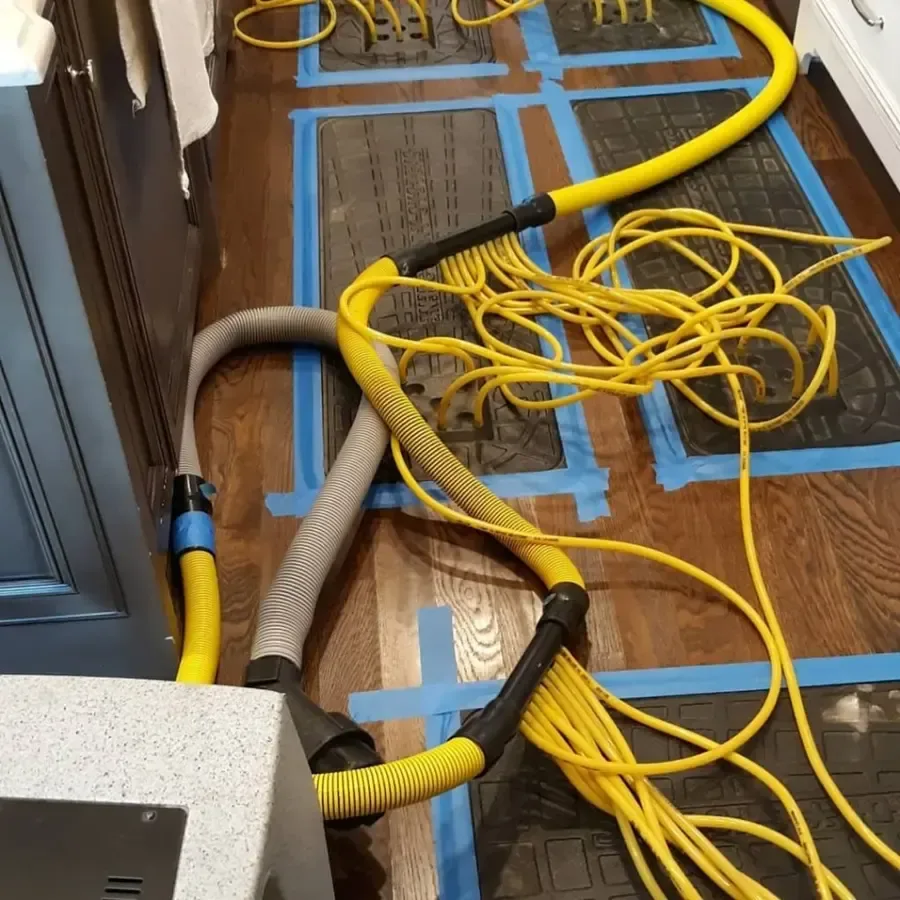
Water Damage Restoration Services in Highland, CA
Fourteen kinds of water loss are handled here, from a split supply pipe to a creek flood, and each has its own page with costs and steps.
Supply and drain failures
Split pipes, slab leaks and hidden wall leaks that soak floors and framing before anyone notices.
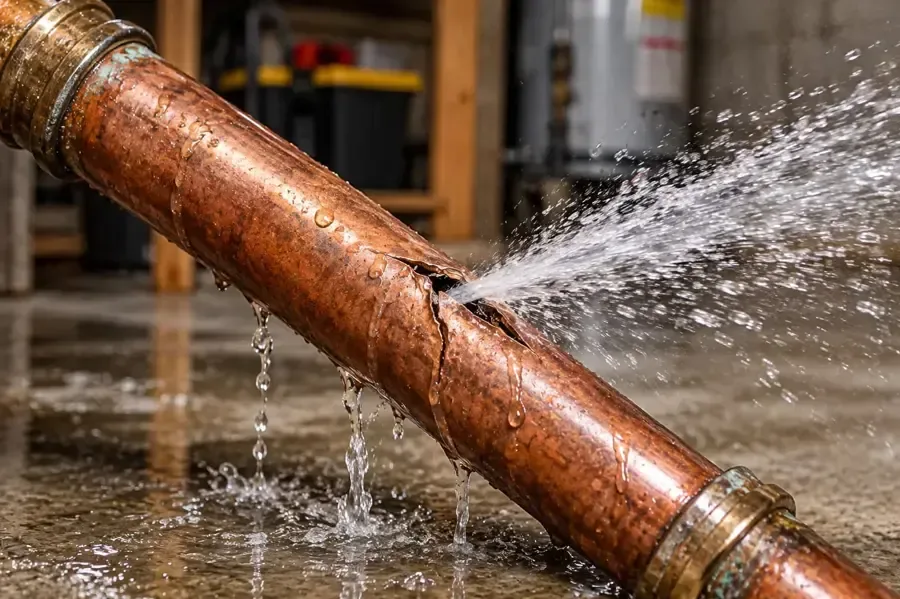 Burst Pipe Water DamageA split supply pipe means opened wet walls, removed water and dried framing behind it.View service
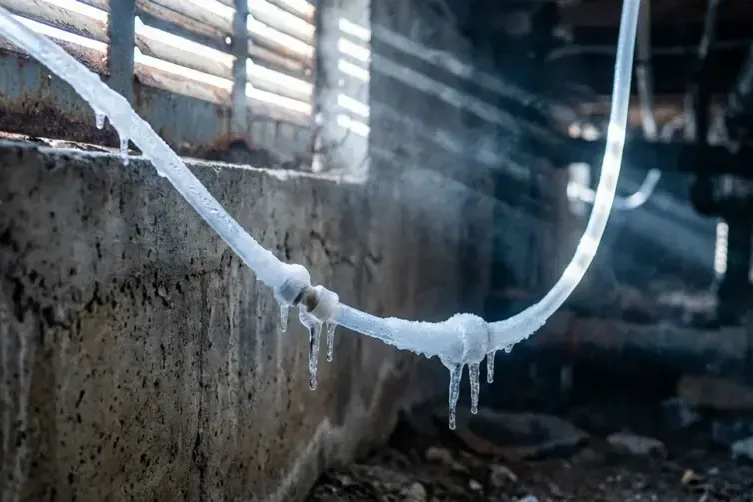 Frozen Pipe Water DamageSoaked walls and ceilings are dried after a cold snap splits an exposed pipe.View service
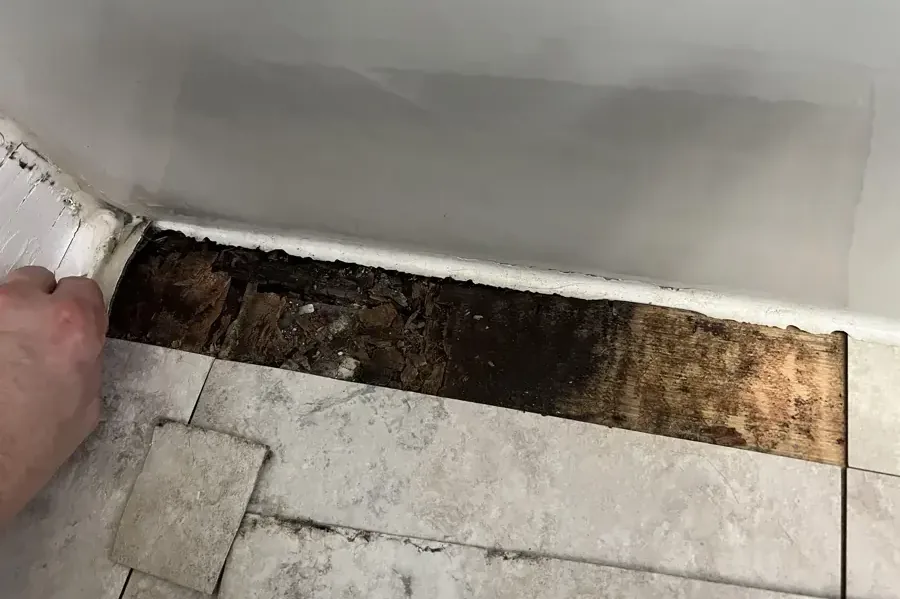 Slab Leak Water DamageWater rising through the floor from a leak below is traced, then flooring is dried.View service
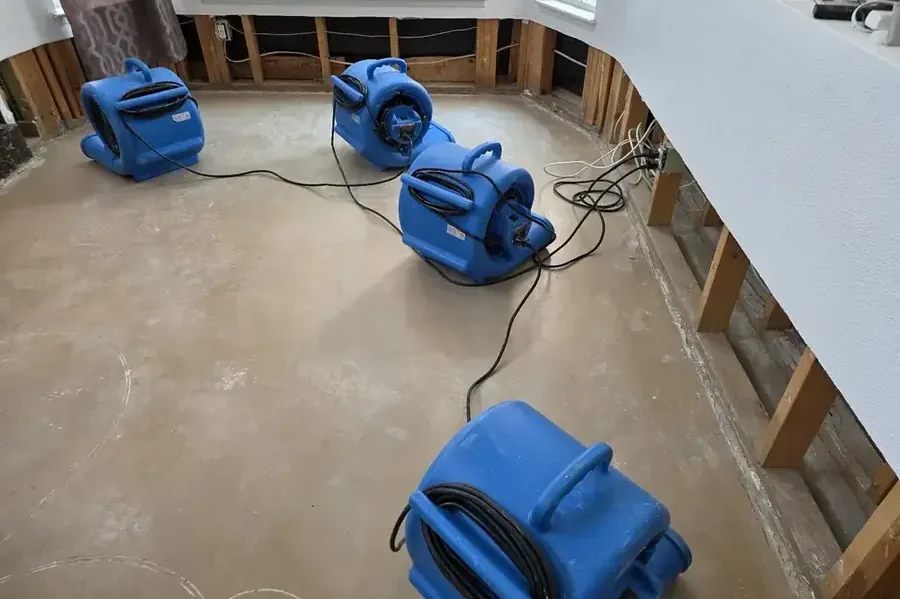 Hidden Leak Water DamageSlow leaks inside walls and cabinets are found with meters and a thermal camera.View service
Tank and equipment leaks
Heaters, washers and air conditioner drains that spill onto floors and run toward the next room.
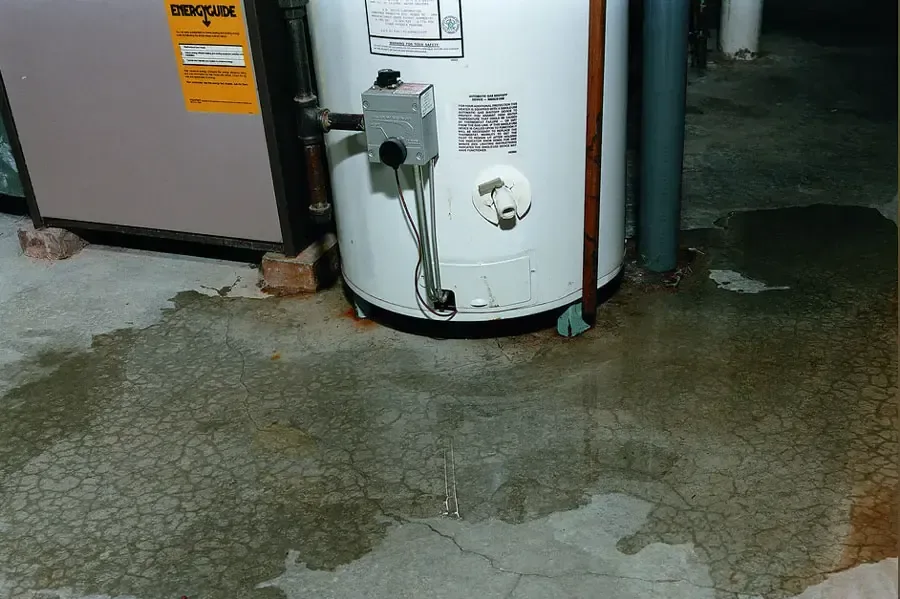 Water Heater Leak CleanupA failed tank spreads water across the floor, so the spill is removed and nearby walls dry.View service
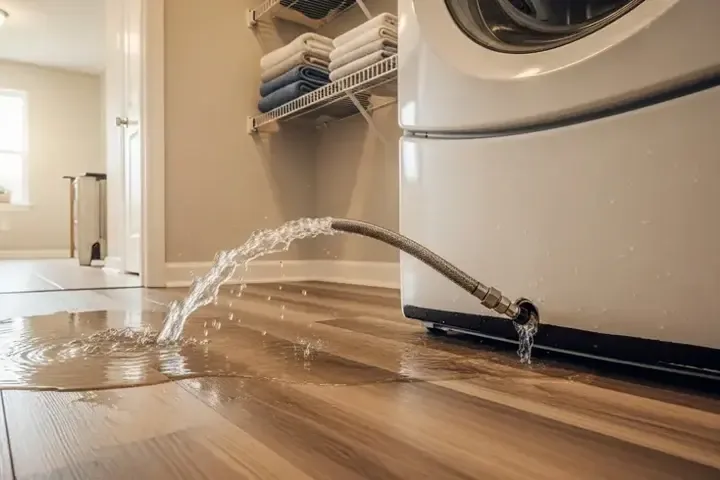 Appliance Leak CleanupWasher hoses, dishwashers and ice maker supplies leak into floors and cabinet bases.View service
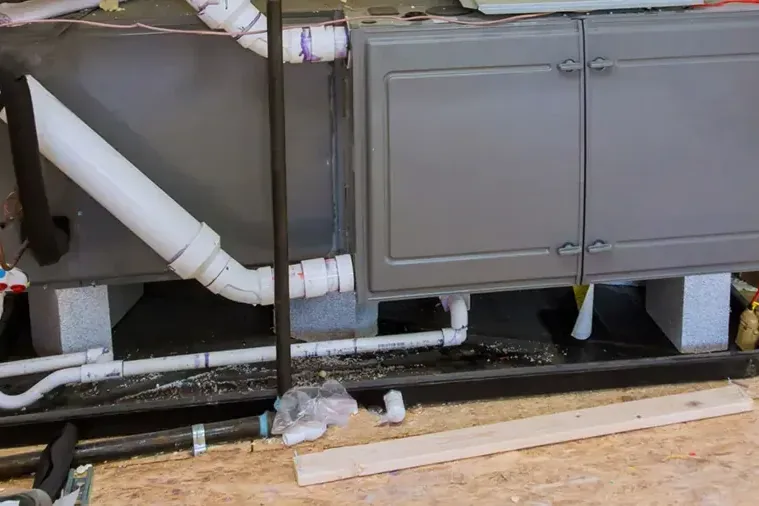 AC Condensate Leak CleanupA clogged condensate drain overflows into ceilings, so soaked drywall and insulation get dried.View service
Water from above and outside
Ceilings, roofs and runoff after heavy rain that reach insulation, drywall and carpet.
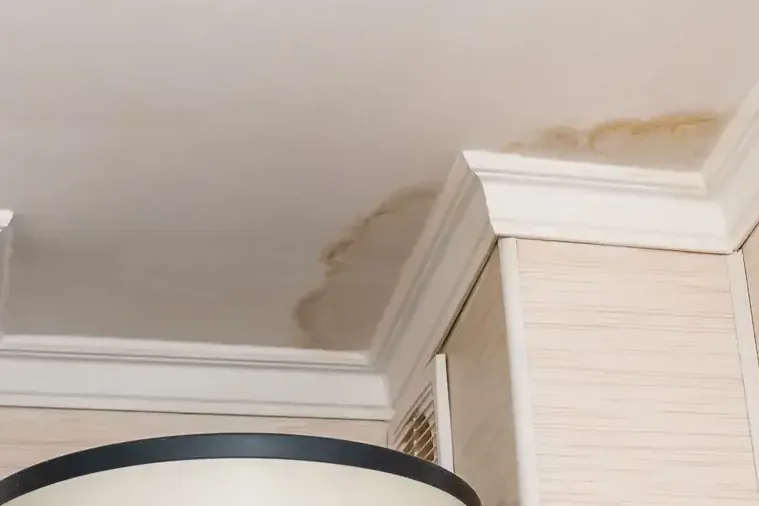 Ceiling Leak Water DamageStained or sagging ceilings are opened where needed so trapped water can leave.View service
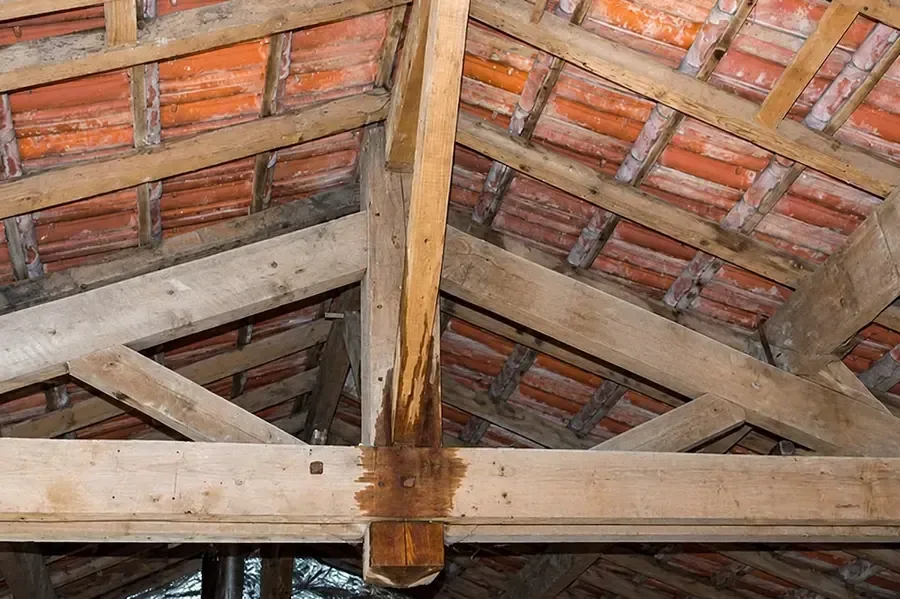 Roof Leak Water DamageStorm water that gets past the roofing is chased through the attic and dried at every layer.View service
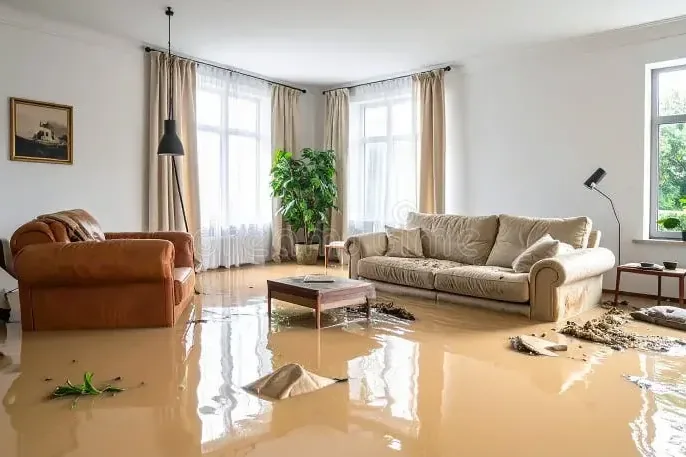 Storm and Flood CleanupMud and runoff are pumped and shoveled out, then lower walls and floors dry down.View service
Extraction, drying and cleanup
Standing water removal, full structural drying, sewage cleanup and commercial losses handled together.
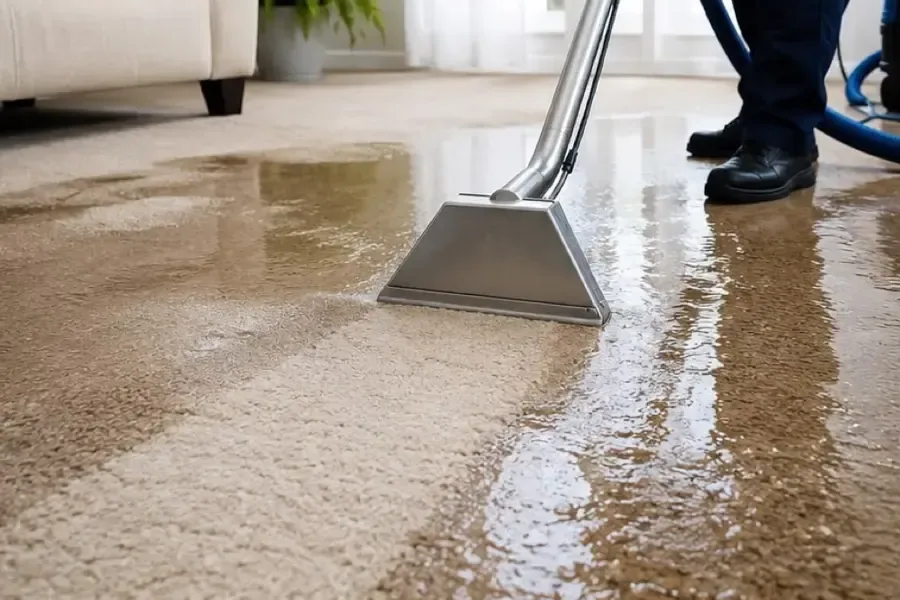 Water ExtractionPumps and wands pull standing water and mud from floors before it wicks into walls.View service
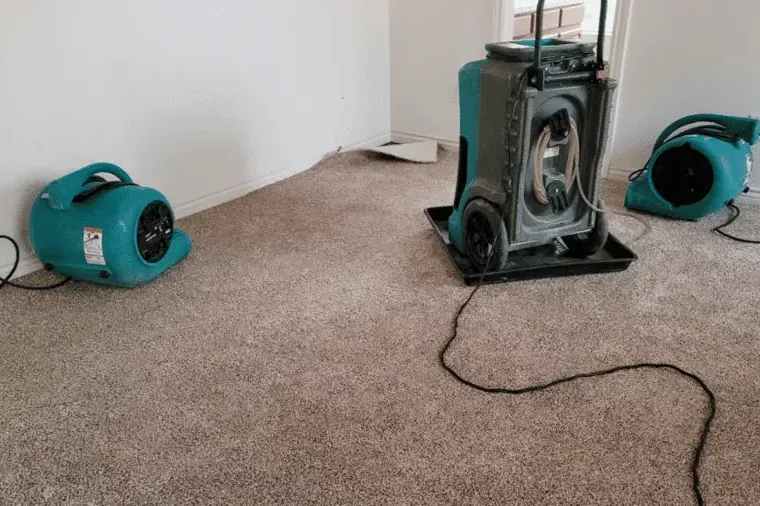 Structural DryingAir movers and dehumidifiers dry framing, subfloor and walls until readings match a dry reference.View service
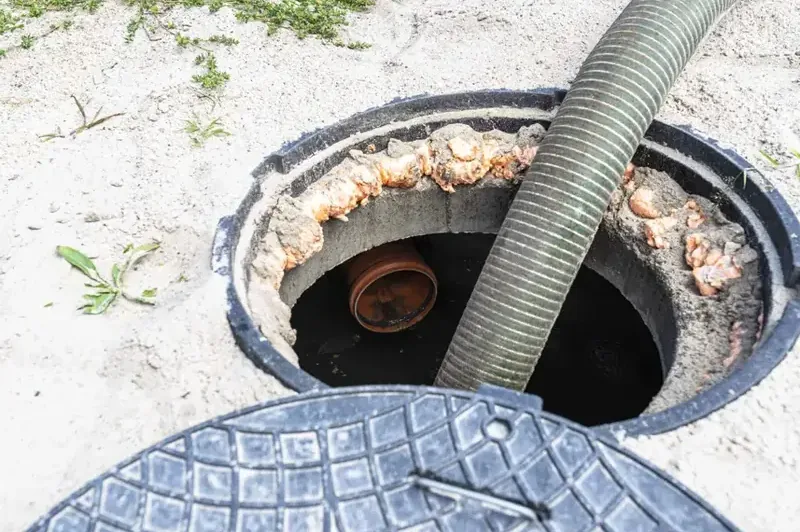 Sewage Backup CleanupContaminated water is removed, surfaces are sanitized and soaked porous materials are discarded.View service
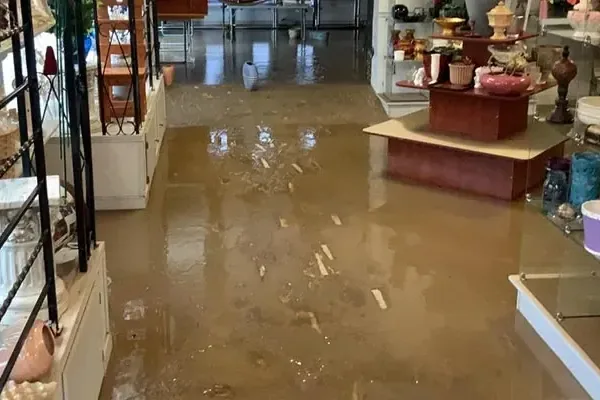 Commercial Water DamageShops and offices get a drying plan built around keeping the doors open and stock dry.View service
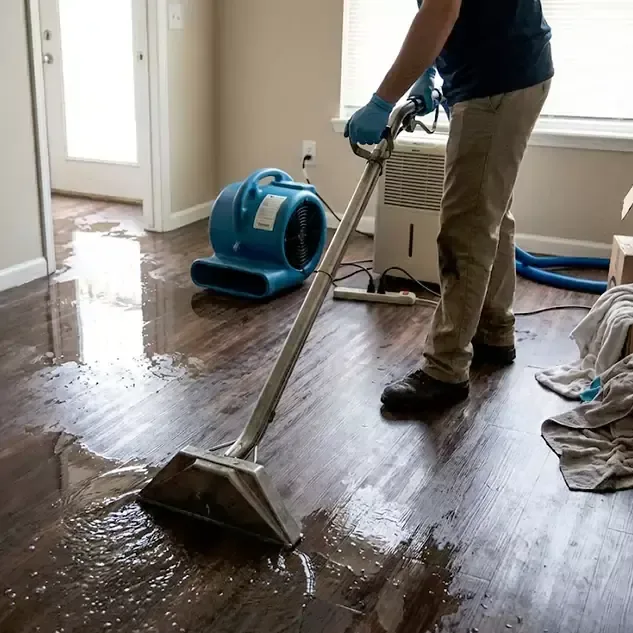
Wet materials get worse every hour they sit
Water does not stay where it lands. It runs under baseboards, climbs drywall by wicking and settles in the subfloor, which is why a floor that looks only damp can hide a soaked cavity. Highland has century-old houses near Greenspot, and the crew starts with a moisture map of every wet surface.
Drying follows the IICRC S500 standard: extraction first, then air movers and dehumidifiers sized to the room, with readings taken each visit until framing and flooring match a dry reference. Photos and logs are kept as the work goes, so an insurance adjuster can see the loss as it was found.
See the full drying processFrom the first call to a dry house
Four stages carry a wet house back to dry, in order.
- 1
Call and triage
The dispatcher asks what is leaking, which rooms are wet and whether the water is clean, gray or sewage, then sends a crew.
- 2
Stop and extract
The source is shut off if still running, and pumps or wands remove standing water from floors before anything else.
- 3
Dry and monitor
Air movers and dehumidifiers run while meter readings are logged at each visit until the structure reaches its dry goal.
- 4
Document and finish
Photos, readings and a written scope go to the homeowner and the adjuster, and wet debris is hauled off.
What to do while the water is still moving
These quick moves limit the spread and protect what can be saved until the dry-out begins.
- Step 1Stop the source
Close the fixture valve or the main shutoff, and switch off power to rooms with wet outlets.
- Step 2Lift what is movable
Move rugs, small furniture and electronics to dry ground and stand wet cushions on edge.
- Step 3Photograph everything
Take wide and close photos of the water, the damaged items and the source before cleanup changes anything.
- Step 4Skip the shop vacuum
A household vacuum is not made for water and can shock the user, so leave standing water to extraction pumps.
All water damage categories covered in Highland, CA
Clean supply water
Broken pipes, heater tanks and failed hoses release clean water, which still needs fast drying before it turns into a contaminated problem.
Burst pipe cleanupGray appliance water
Washers, dishwashers and condensate drains spill used water with soap and debris, so porous items soaked by it need careful handling.
Appliance leak cleanupBlack sewage water
Sewage and creek flood water carry contaminants, which means protective gear, sanitizing and removal of soaked porous material.
Sewage backup cleanupWhat does water damage restoration cost in Highland, CA?
Most jobs land between $1,200 and $22,000 or more, depending on how many rooms are wet, how long the water sat and whether it was clean, gray or sewage. A small clean leak sits at the low end, and a whole floor of storm water at the top.
- One room of clean water, found early and dried in place
- Baseboards and a small drywall section opened
- A few days of drying equipment
- Wet carpet and pad removed
- Wall cavities dried with injected air
- Readings logged each visit
- Whole floor or two levels wet
- Sewage or storm mud removed
- Rebuild scope for the adjuster
Final pricing depends on a walkthrough, moisture readings and the exact materials involved.
Water damage dried to the IICRC S500 standard
- Readings each visit
- Dry goal set first
- Gear placed by map
- Removed only when dry
The S500 standard sets how wet building materials are measured and dried. A reference reading is taken from a dry part of the same house, and the equipment stays running until wet areas fall back to that mark.
Equipment on the truck
- Truck mounted and portable pumps for standing water
- Low grain refrigerant dehumidifiers for dense wet framing
- Air movers and mats that lift water from hardwood floors
- Moisture meters and a thermal camera for hidden wet spots
Documentation for your insurance claim
- Dated photos of every wet room
- Photos of damaged belongings and the source
- Moisture readings taken each visit
- Equipment lists with run times
- Written scope of the work done
Adjusters usually ask for proof of how far the water spread and how long it was dried. Coverage varies by policy, so a call to the insurer early helps clarify what applies.
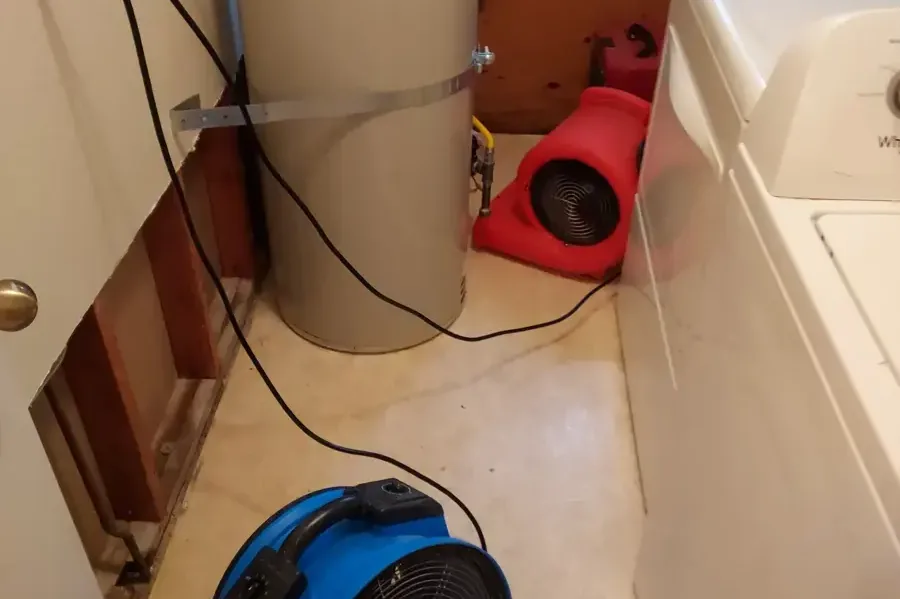
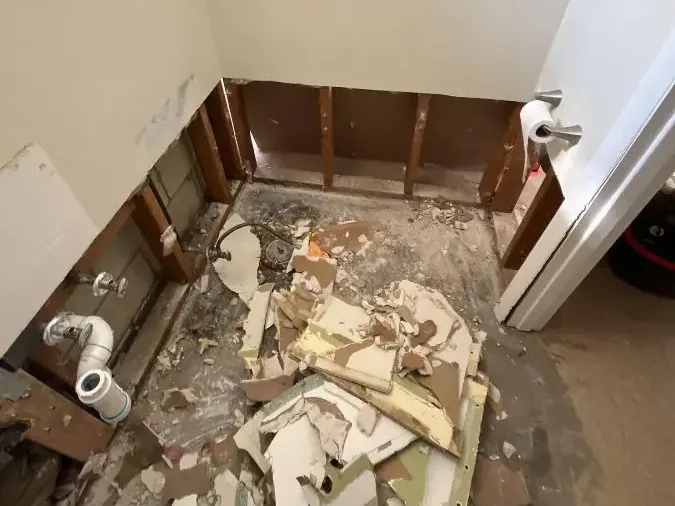
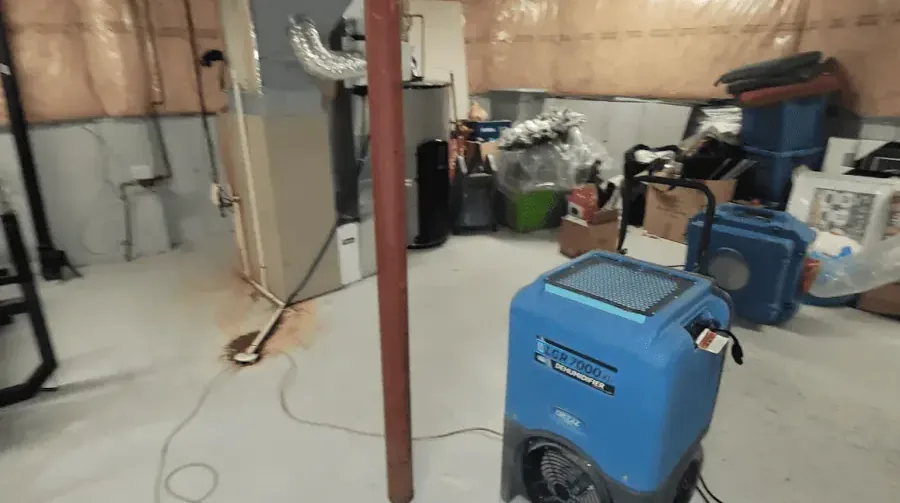
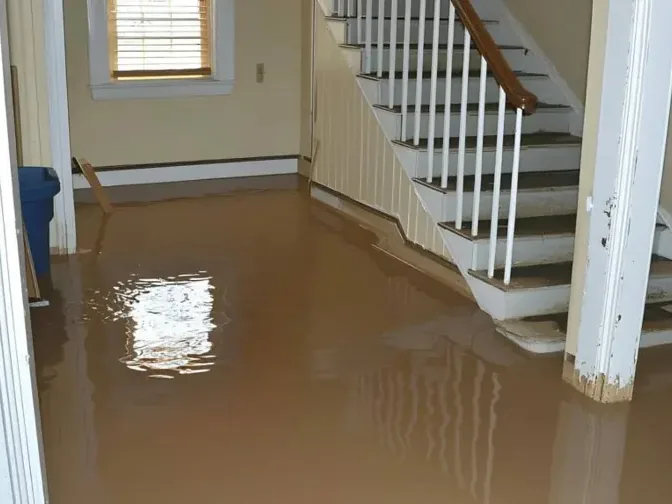
What a water damage dry-out looks like in Highland
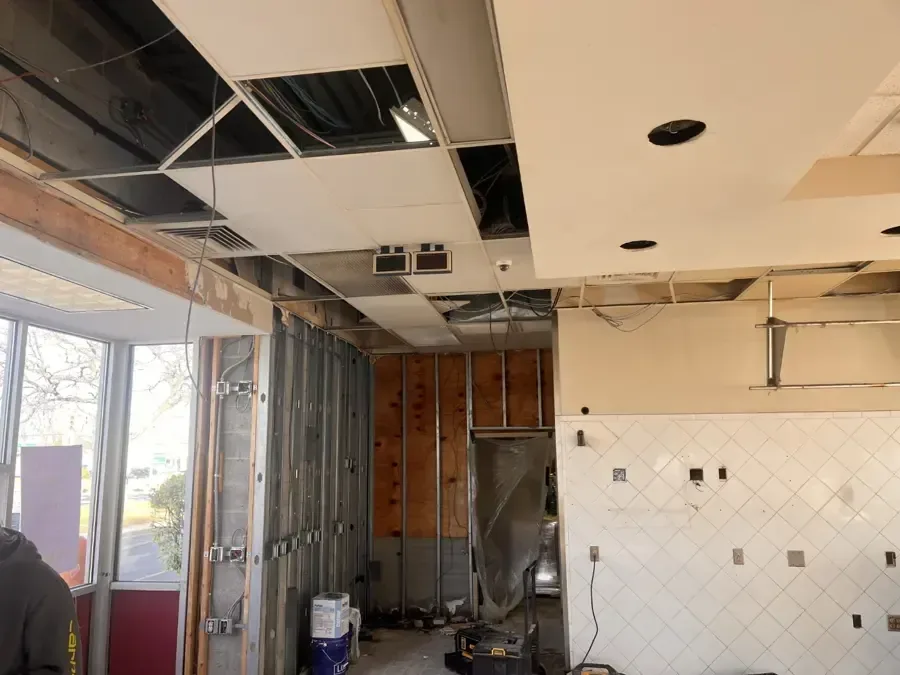
Neighborhoods and roads reached across the city
Crews work across the city, from the historic core to the creek foothills.
- Palm AvenueHistoric district, old packing houses and shops
- East HighlandsCreek flood history near the foothills
- Greenspot RoadWater district headquarters and older homes nearby
- Boulder AvenueBridge hit by the December 2010 floods
- Mountain ShadowsHomes below Small Canyon Basin
One call reaches Highland water damage pros, 24/7
One call starts triage for any wet floor, soaked ceiling or flooded room in the city. The dispatcher asks about the water source and the affected rooms, then assigns a crew carrying equipment that suits the loss.
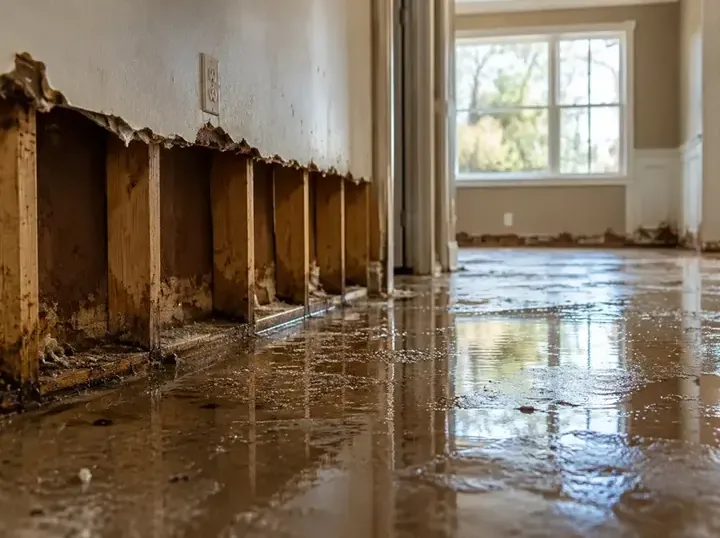
What puts Highland homes at risk
Foothill creeks, aging water mains and century-old houses give the city its own pattern of losses, and each one calls for a slightly different drying plan.
- December 2010: Six straight days of rain sent floodwater and mud into east Highland homes while City Creek ran high and part of the Boulder Avenue bridge collapsed.
- Creek and basin flooding: City Creek, Plunge Creek and Small Canyon Basin have sent water and debris into homes before, including in February 1980 and December 2010.
- Aging water mains: East Valley Water District is replacing undersized pipe on Dundee Avenue and Villa Court, and old supply pipe elsewhere can fail too.
- Century-old houses: Some homes near Greenspot are a century old, which makes slow hidden leaks behind walls and under floors easy to miss for months.
- Rental unit leaks: About 34.7% of occupied homes were rented in 2010, so an appliance leak often travels to a neighbor or a shared wall.
Water damage questions from homeowners
How fast should water damage be dealt with?
As soon as the source is stopped. Wet drywall and carpet pad begin to break down quickly, and delay lets water reach the framing and subfloor, which raises both the repair bill and the drying time.
Does a small leak need professional drying?
Often yes. Water wicks into baseboards and cabinet bases well beyond the visible stain, and a moisture meter is the only way to confirm the area is dry before repairs close it up.
What does a crew do first on arrival?
Safety and source control come first, then extraction of standing water, then a moisture map of floors, walls and ceilings. Drying equipment is set only after the wet areas are known.
How long does structural drying take?
Most clean water jobs need several days of equipment, though dense materials and long wet periods take longer. Readings taken each visit decide when the machines come out. Dense framing and subfloors usually take the longest.
Is sewage or creek water handled differently?
Yes. It is classed as contaminated, so crews wear protective gear, remove soaked porous materials and sanitize hard surfaces instead of drying them in place.
Who supplies water and sewer service in the city?
East Valley Water District provides both. Closing the main valve at the home stops the water, and a sewer backup is worth reporting to the district as well as to a cleanup crew.
Can a leak behind a wall be found without tearing it open?
Moisture meters and thermal cameras show wet spots through drywall, which narrows the opening to a small section of wall instead of the whole room.
What should be photographed for an insurance claim?
Every wet room, the source of the water, damaged belongings and the meter readings. Photos taken before cleanup begins carry the most weight with an adjuster.
Do renters need to call anyone besides the crew?
The landlord or property manager should hear about the loss right away, since the building owner usually controls repairs and the insurance claim for walls and floors.
Are businesses handled too?
Yes. Shops and offices, including those in the Palm Avenue historic core, get drying plans built to keep the doors open wherever the work allows.
Water still spreading? Call and describe it.
(888) 563-9619Call about the wet roomsDry the house before repairs begin
Standing water, wet walls and creek mud do not wait for a convenient moment. One call starts the extraction and drying work for the whole house.