Water Damage Restoration Calimesa, CA
Burst pipes, failed appliances, roof leaks and storm water are pulled out and dried here by a crew that measures moisture first and demolishes only what the readings say cannot be saved.
(888) 563-9619Tell the crew what got wet- Moisture mapped before demolition
- Water and sewage only
- Day or night
- Photos for your claim
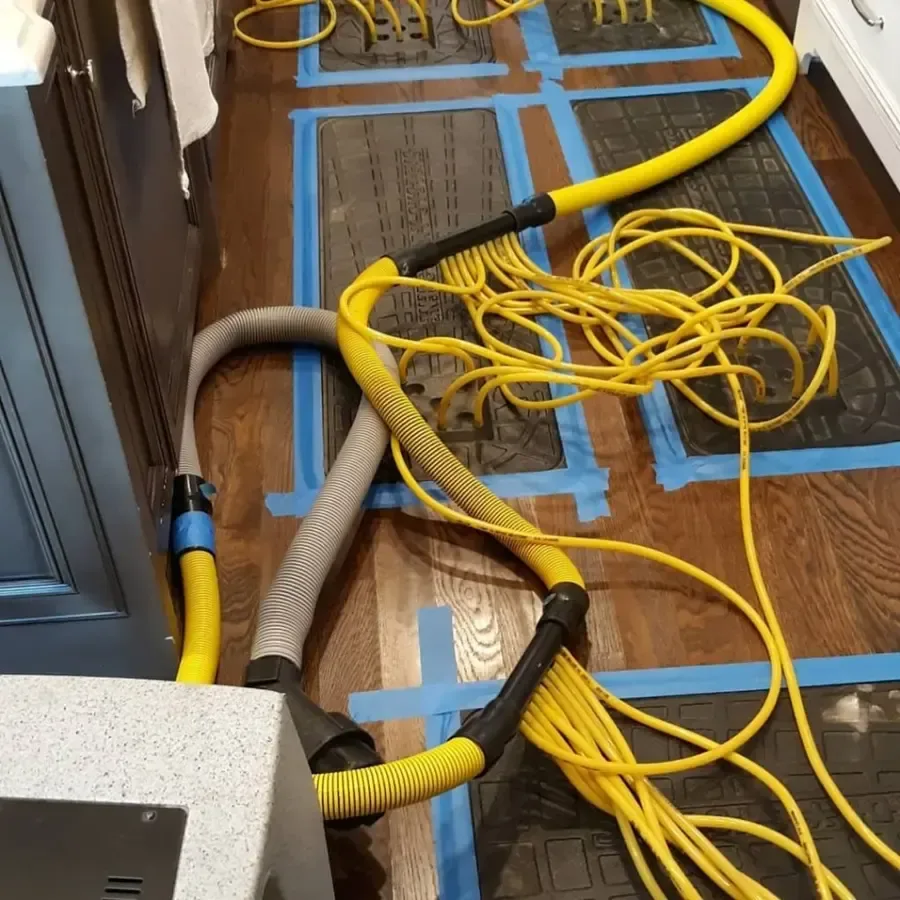
Water Damage Restoration Services in Calimesa, CA
Each kind of water loss gets its own page, grouped below by where the water comes from, so the closest match to your situation is easy to find.
Pipe failures behind and under floors
Supply bursts, frozen splits, slab leaks and hidden wall leaks that soak finishes before anyone sees a drip.
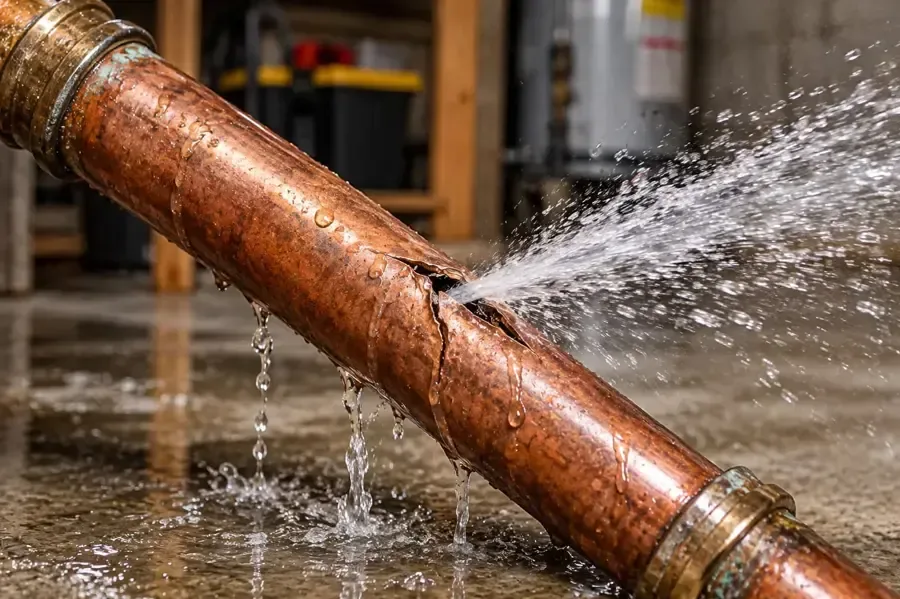 Burst Pipe Water DamageA split supply pipe is shut off at the valve, then soaked walls and floors are opened and dried.View service
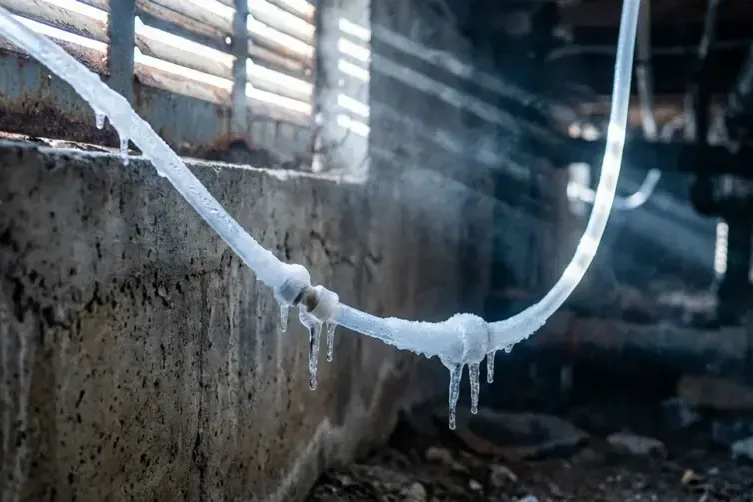 Frozen Pipe Water DamagePipes that split in a cold spell release water on the thaw, and the wet area is dried afterward.View service
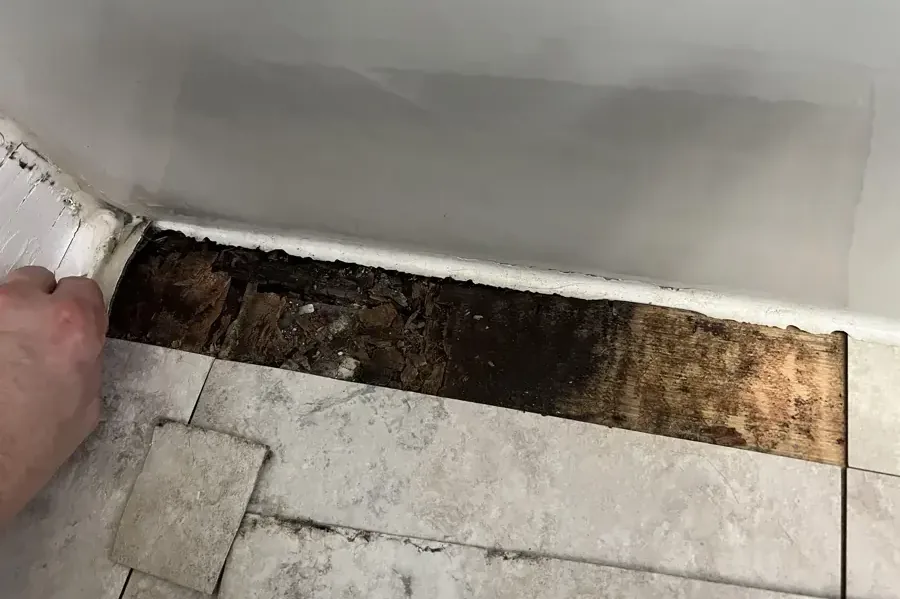 Slab Leak Water DamageWater rising from beneath a concrete floor is traced, and the flooring above it is dried or removed.View service
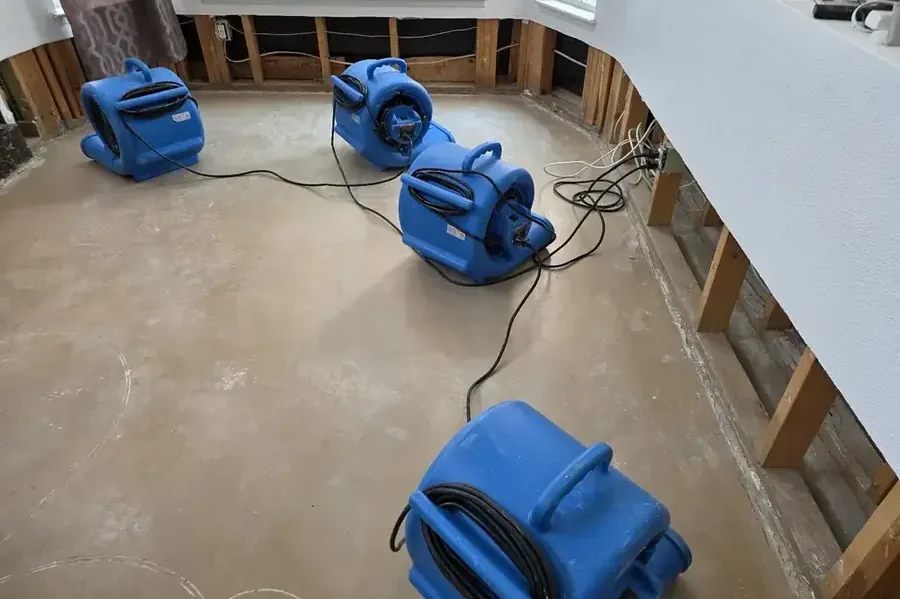 Hidden Leak Water DamageMoisture mapping follows a slow leak inside a wall or under a floor to its full extent.View service
Leaks from machines and tanks
Water heaters, washers, dishwashers and condensate drains that overflow into floors and ceilings.
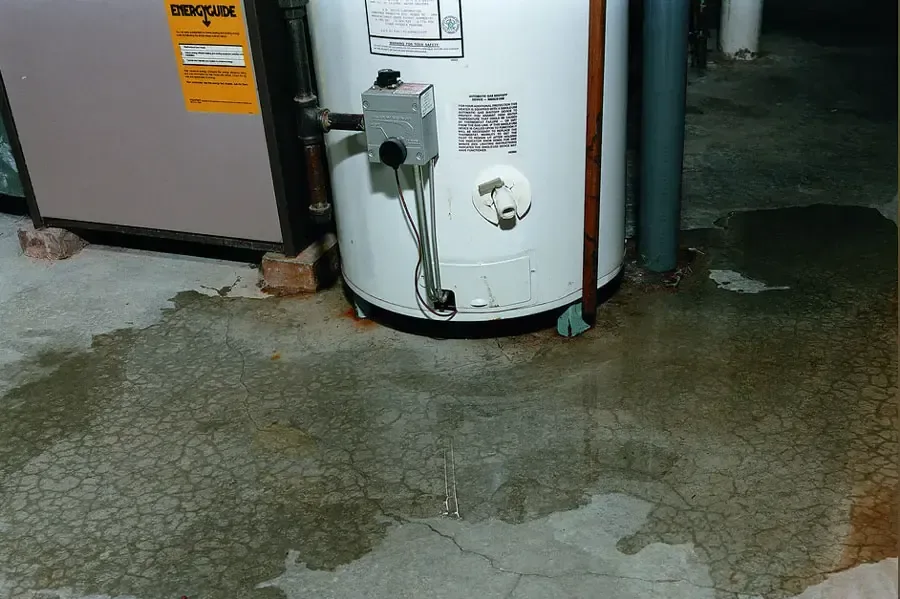 Water Heater Leak CleanupA failed tank floods a garage or closet, and nearby walls and flooring are dried quickly.View service
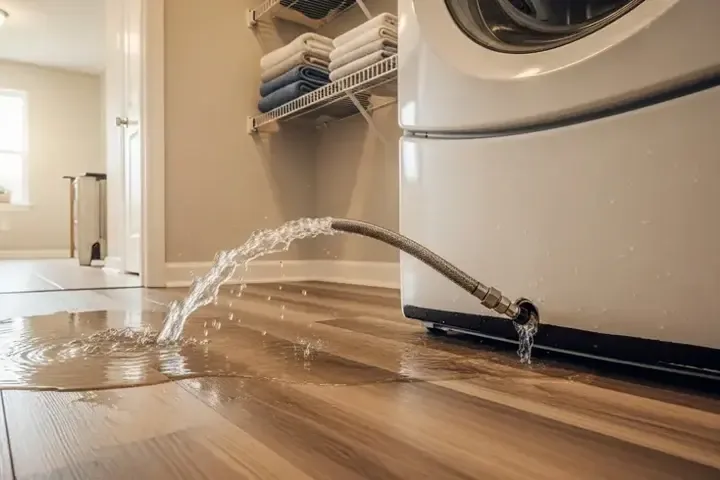 Appliance Leak CleanupSupply hoses and drain connections that fail behind a washer, dishwasher or fridge are cleaned up and dried.View service
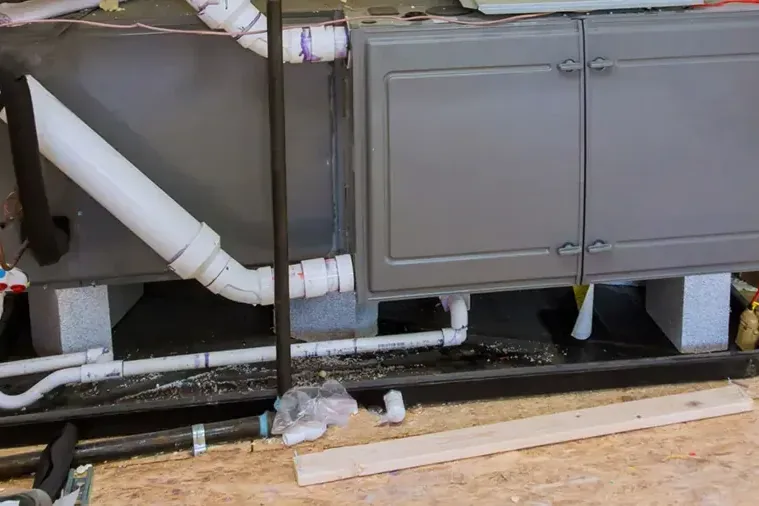 AC Condensate Leak CleanupA clogged condensate drain overflows into ceilings and walls, which are then dried and checked.View service
Water arriving from above or outside
Stained ceilings, wet attics and storm water that crosses a threshold and spreads across rooms.
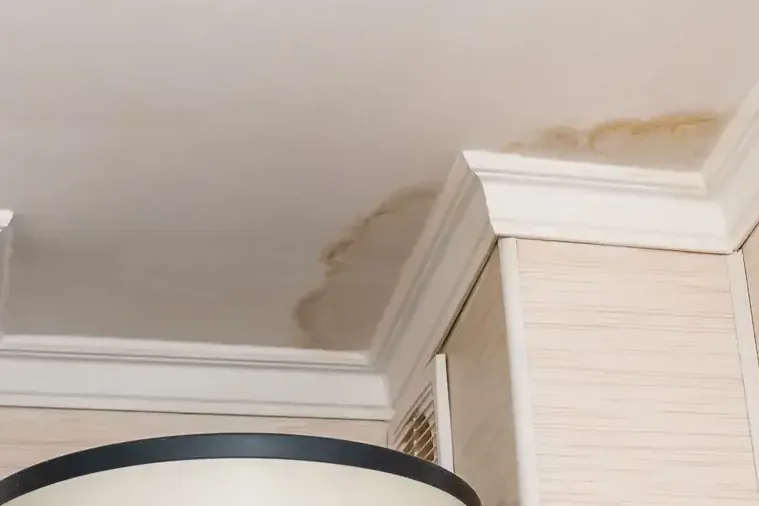 Ceiling Leak Water DamageWet drywall and insulation overhead are checked and opened before stains and sagging spread.View service
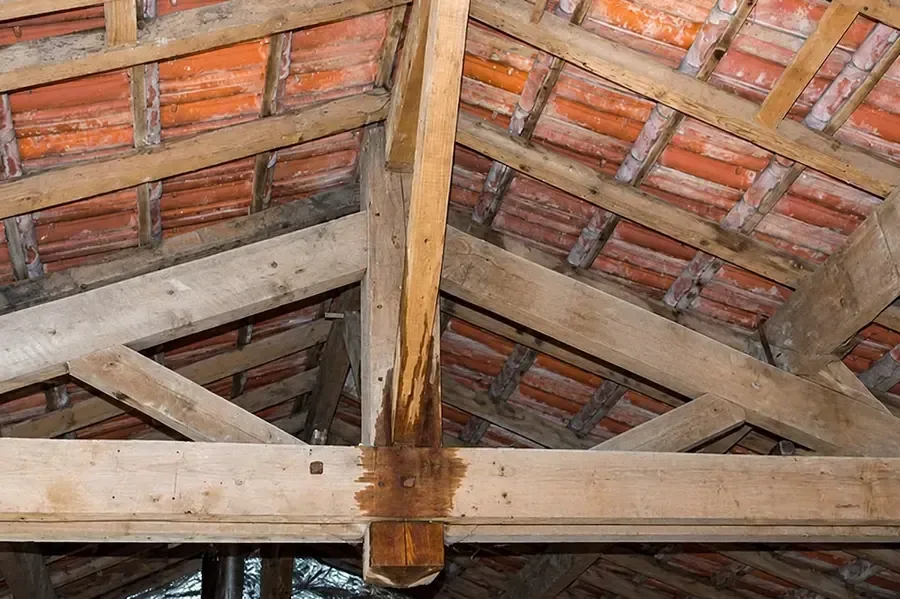 Roof Leak Water DamageOnce the roof is covered, rain soaked insulation and drywall below are removed and dried.View service
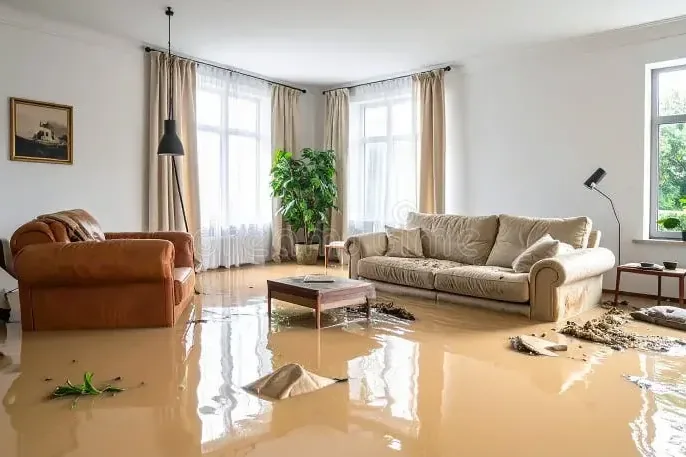 Storm and Flood CleanupMuddy storm water inside a home is pumped out, then floors and wall bases are cleaned and dried.View service
Extraction, drying, sewage and shops
Standing water removal, structural drying, contaminated backups and commercial losses in suites and storefronts.
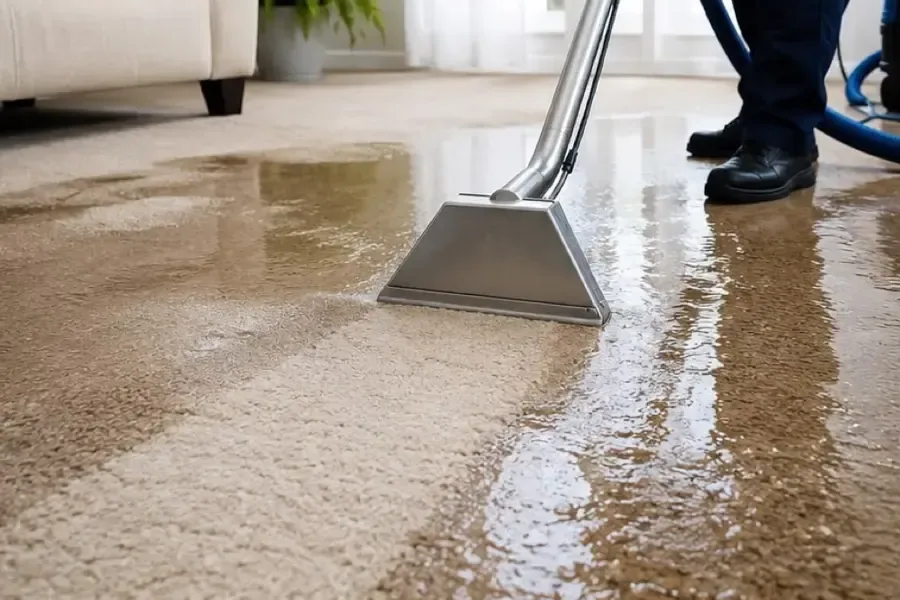 Water ExtractionStanding water is lifted out of carpet, pad and hard floors before it wicks into baseboards.View service
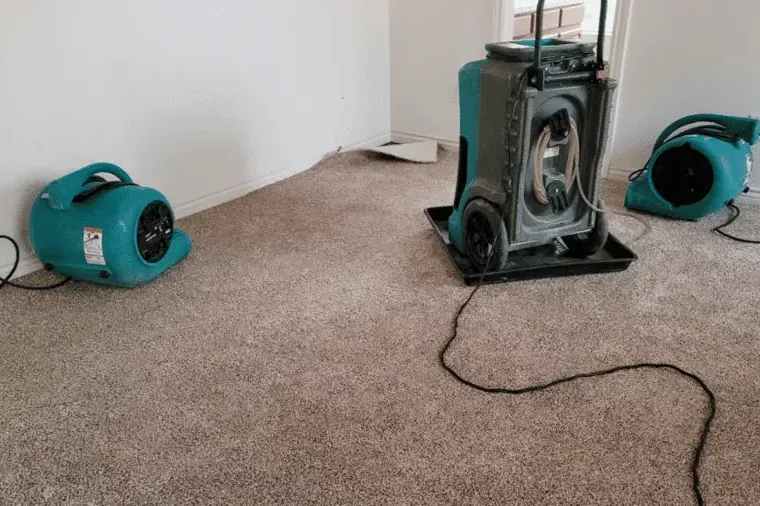 Structural DryingAir movers and dehumidifiers pull moisture from framing, subfloors and wall cavities until readings settle.View service
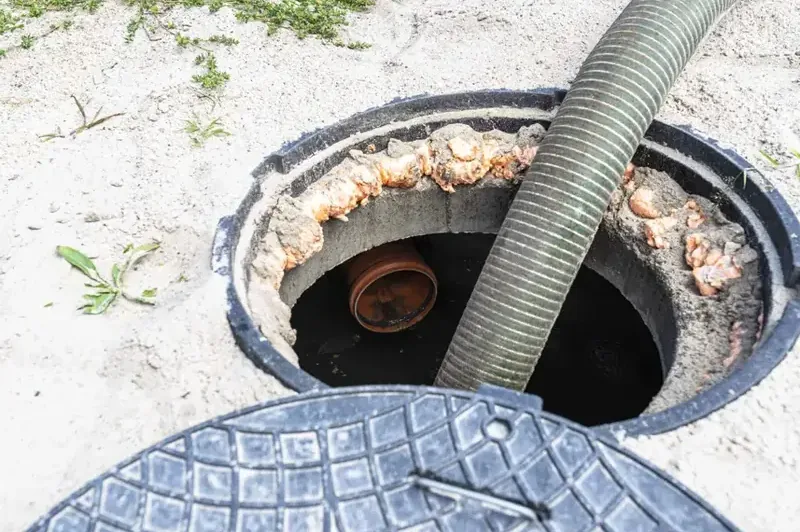 Sewage Backup CleanupContaminated backup water is removed with protective gear, and affected surfaces are disinfected.View service
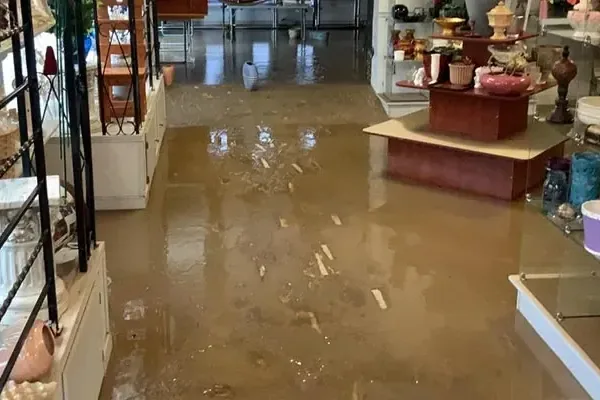 Commercial Water DamageShops and offices are dried in stages so the business can reopen with as little downtime as possible.View service
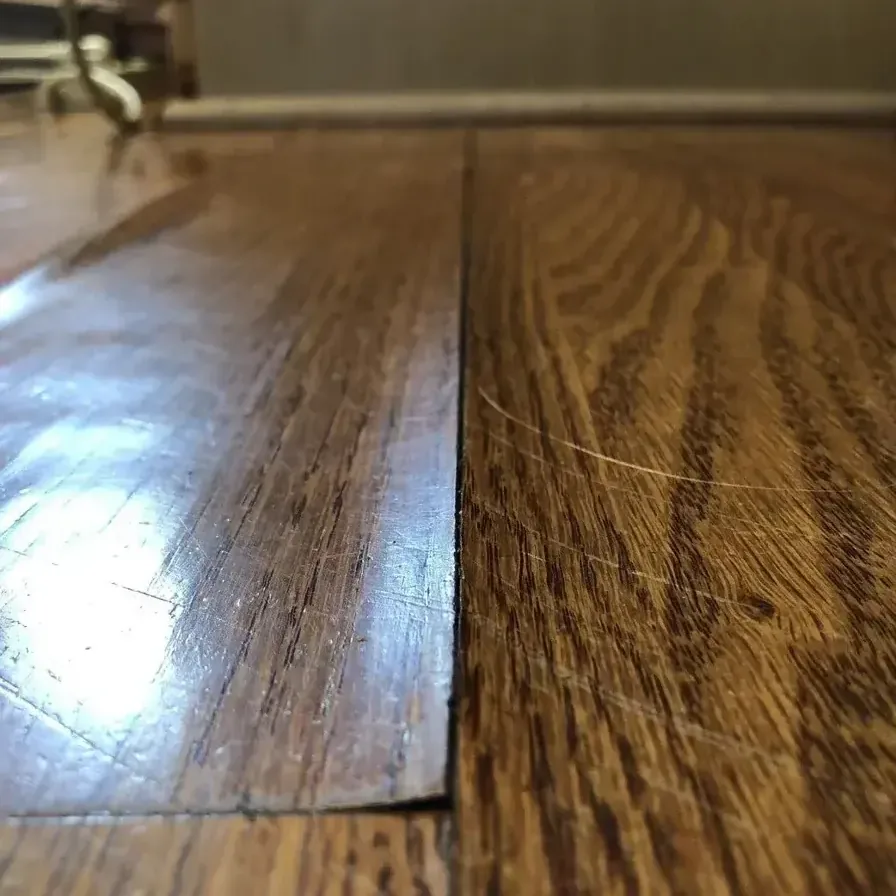
Measured drying instead of guesses behind the wall
A wet floor looks like a small problem until the water finds the wall cavity. This crew starts every job with moisture meters and a thermal camera, so the wet area is mapped before a single board is pulled and nothing dry gets torn out for no reason.
The city grew from a rural town of single-family homes and ranches and now includes shops downtown, so the equipment list changes from one call to the next. Extractors, air movers and dehumidifiers arrive sized to the loss, and the readings are logged until the materials return to normal.
See how drying worksFrom the first call to a dry house in four steps
Every job follows the same four stages, whatever caused the water.
- 1
Call and triage
The dispatcher asks where the water came from, what it touched and whether it is still running, then sends a crew with the right equipment.
- 2
Stop and extract
The source is shut off if it is still active, and standing water comes out with extractors before anything else.
- 3
Dry with readings
Air movers and dehumidifiers go in, and moisture is checked daily until each material reads normal.
- 4
Close out the file
Photos, readings and a drying log are handed over so the insurance claim has evidence behind it.
What to do while the water is still moving
A few safe actions in the first minutes keep a small loss from growing into a large one.
- Step 1Stop the source
Close the shutoff valve at the home, or the fixture valve, so no new water enters the house.
- Step 2Kill power to wet areas
If water is near outlets or the panel, switch off those circuits and stay out of standing water.
- Step 3Lift what is easy to move
Raise furniture, rugs and electronics onto dry surfaces, and put foil or blocks under table legs.
- Step 4Photograph before cleanup
Take wide and close photos of the damage and the source before anything is moved or thrown away.
All water damage categories covered in Calimesa, CA
Clean supply water
Burst pipes, failed valves and overflowing fixtures start as clean water, which is easiest to dry when it is caught early.
Pipe burst detailsGray appliance water
Washers, dishwashers and drain connections release used water that carries soap and soil, so wet materials get closer attention.
Appliance leak detailsBlack sewage water
Backups carry waste and bacteria, so removal, protective gear and disinfection come before any drying starts.
Sewage cleanup detailsWhat does water damage restoration cost in Calimesa, CA?
Water damage restoration here usually costs between $1,200 for a contained single room and $22,000 or more when ceilings, several rooms or contaminated water are involved. Square footage, the type of water and the materials affected decide where a job lands. Smaller leaks caught early sit near the bottom of that range.
- One room of wet flooring extracted and dried in place
- Air movers and one dehumidifier running in the room
- A couple of monitoring visits to confirm dry readings
- Carpet and pad removed in affected rooms
- Wall bases opened to dry the cavity
- Daily readings until dry
- Ceilings and insulation removed
- Extended equipment days on site
- Disinfection where sewage is involved
Final figures depend on square footage, water category, materials and the days of equipment on site.
Water damage dried to the IICRC S500 standard
- Daily moisture logs
- Psychrometric checks
- Documented dry goals
- Photo records
The IICRC S500 standard sets how wet materials are classified and when they count as dry. Technicians record a target for each material, then check against it daily so the equipment leaves only when the numbers say so.
Equipment brought to each job
- Extractors for carpet, pad and hard floors
- Air movers aimed at wet surfaces and cavities
- Dehumidifiers sized to the room volume and the type of loss
- Moisture meters and a thermal camera for hidden wetness
Documentation for your insurance claim
- Photos of the source and every wet room
- Dated moisture readings for each material
- A written scope of removal and drying
- Equipment placed and days in use
- Receipts for temporary repairs
Adjusters respond best to organized records. The drying log, photos and readings are kept together so a claim can be reviewed without guesswork, though coverage itself is decided by your insurer.
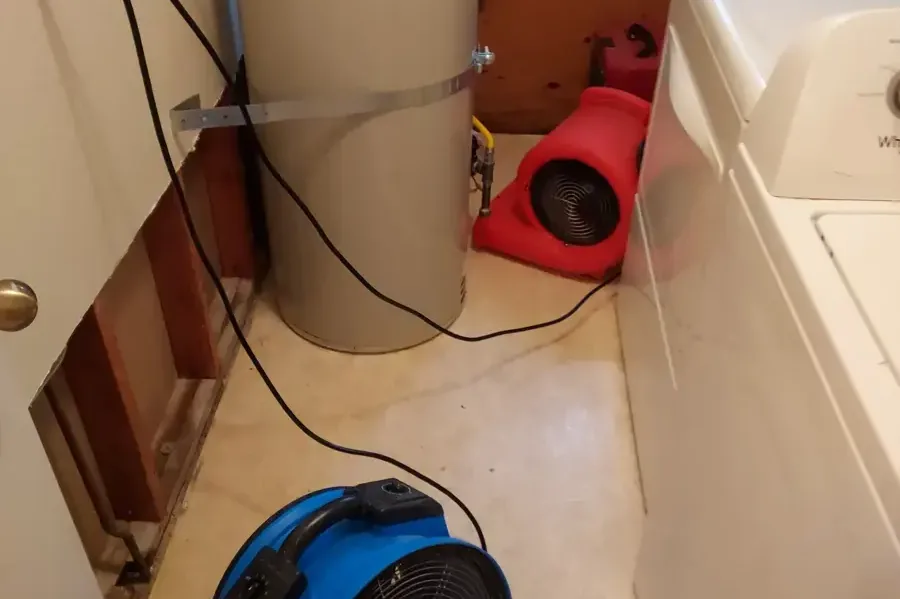
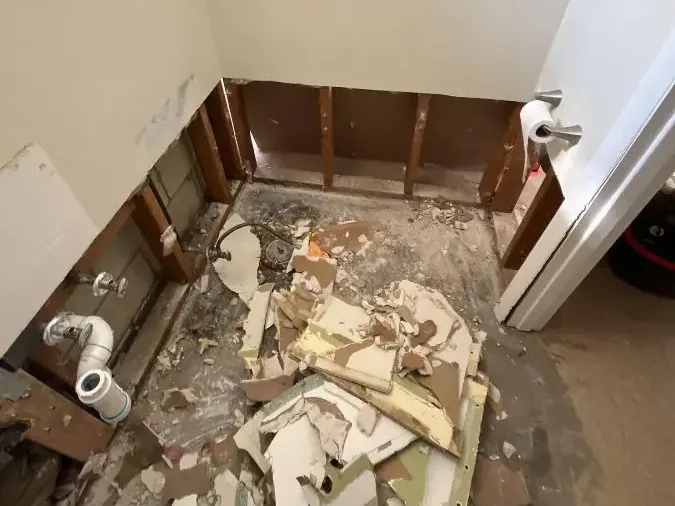
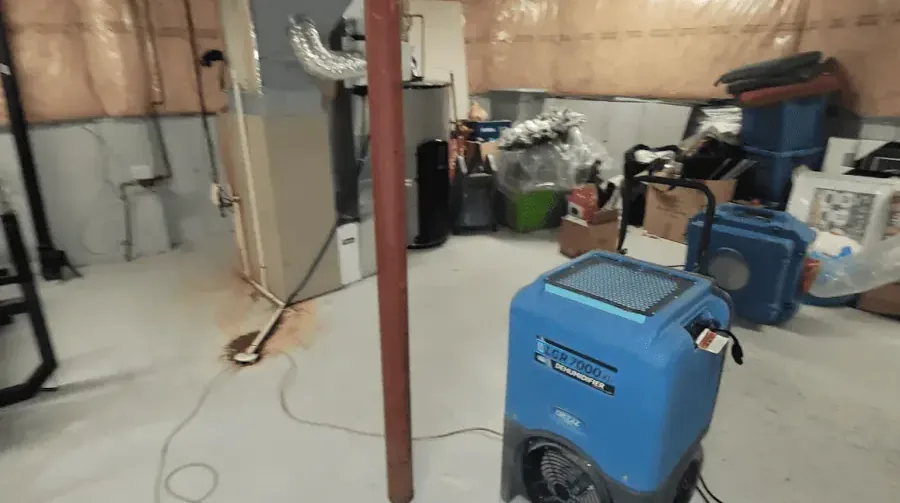
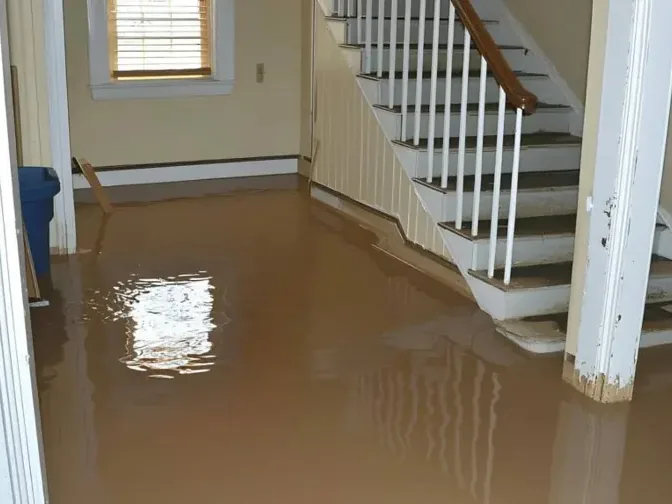
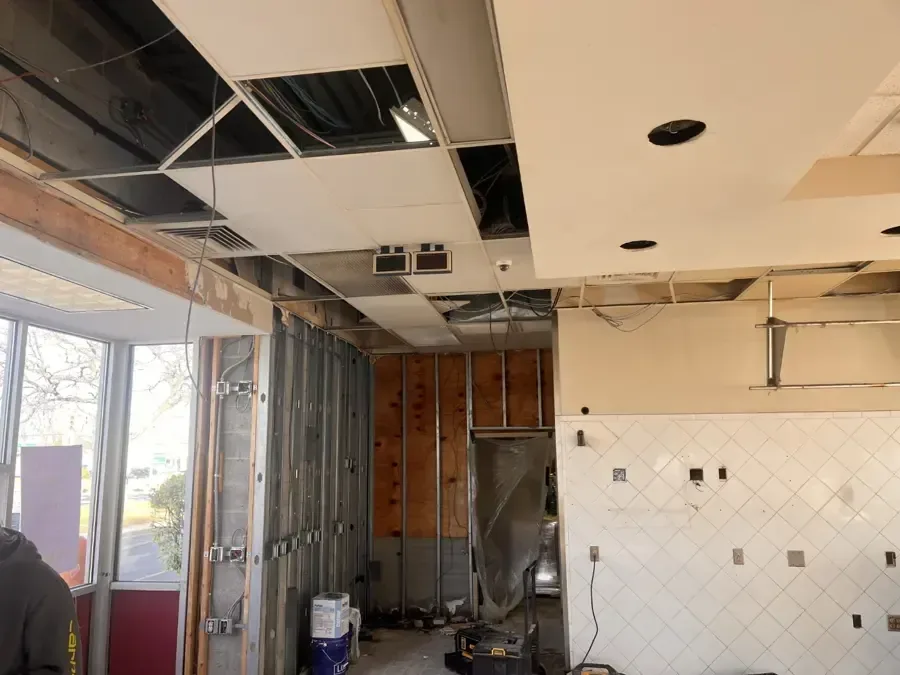
What a water damage dry-out looks like in Calimesa
Areas covered around Calimesa and nearby
Streets and neighborhoods across the city, from the foothills to the freeway.
- Interstate 10Homes and shops by the freeway
- County Line RoadStreets beside the Yucaipa boundary
- Bryant StreetRuns north to south
- Downtown CalimesaBusiness District, City Hall and the fire station
- Champions DriveNear the Beaumont boundary
- Summerwind RanchPlanned community at Oak Valley
One call reaches Calimesa water damage pros, 24/7
Water does not wait for business hours, and neither does dispatch. A call at night or on a holiday starts the same triage, and the crew heads out once the source and the wet rooms are clear.
What puts local homes at risk
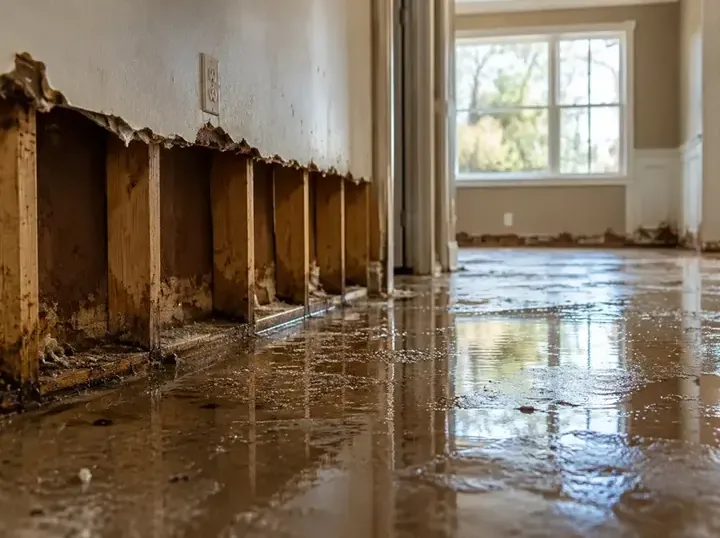
Foothill streets, a creek that winds through town and a growing housing stock each bring their own kind of water problem to local homes and shops.
- Completed in 2002: The Riverside County Flood Control and Water Conservation District completed the Calimesa Channel Stage I and Stage II flood projects, a milestone in the city's drainage history.
- Creek and wash flooding: Calimesa Creek and the Wildwood Canyon Wash are the local flood concerns after heavy rain.
- Downtown flood planning: The Stage III creek project plans a detention basin and a storm drain to reduce downtown flooding.
- Pipes at the home: Parts of town draw from South Mesa Water Company or Yucaipa Valley Water District, but a burst pipe inside the house is stopped at its own shutoff valve.
- Appliance connections: A city that grew from 4,647 residents in 1990 to 10,026 in 2020 has many kitchens and laundry rooms where hoses and drains can fail.
Water damage questions answered
How fast does the crew respond to a call?
Dispatch starts triage right away, asking where the water came from, what it reached and whether it is still running. The crew then heads out once the source and the wet rooms are clear.
What should be done before the crew arrives?
Shut off the water at the valve, switch off power to wet areas and photograph the damage. Lift small items onto dry surfaces, but leave heavy cleanup and demolition to the crew.
Does the crew work with insurance?
Yes. Photos, moisture readings and a drying log are kept together for the claim, though coverage is decided by your insurer. Reporting the loss early helps the process along.
How long does drying take?
Most dry-outs run for several days, because moisture is checked daily and equipment stays until every material reads normal. Dense wood and thick subfloors take longer than carpet and drywall.
Can the floors and walls be saved?
Often they can. Moisture mapping shows whether materials can dry in place, and only the pieces that cannot be saved are removed, which keeps the repair bill smaller and the finished room closer to its original look.
Is sewage water handled differently?
Yes. Sewage carries bacteria, so crews wear protective gear, remove contaminated materials and disinfect the surfaces before any drying begins. Porous items such as mattresses, rugs and upholstered pieces usually cannot be kept.
Does the crew handle shops and offices?
Yes. Commercial losses are staged so work can continue in unaffected areas while wet suites and storefronts are dried, which limits downtime for the business and its staff.
Why does a small leak need professional drying?
Moisture hides in wall cavities, pad and subfloors that look dry on the surface. Left alone, it keeps spreading and weakens materials long after the visible stain fades.
What does a typical job cost?
Costs run from $1,200 for one contained room to $22,000 or more for whole floors or contaminated water. The scope, the water type and the days of equipment settle the final figure.
Which parts of town are covered?
The crew works across ZIP 92320, from the freeway corridor to the downtown core and the foothill streets, plus the neighboring towns listed in the coverage area above.
Water still spreading? Call now.
(888) 563-9619Call the crewStop the water and start the dry-out
Every hour of wet carpet and open walls adds to the repair bill. One call gets triage started, and the crew takes it from there.