Sewage Backup Cleanup in Banning, CA
A sewer or septic backup through a toilet, tub or floor drain is Category 3 water from the first minute. In Banning, the restoration team contains the area, removes contaminated materials, treats every surface and dries the structure, 24/7.
(888) 563-9619Sewage on the floor? Call now- Containment and PPE
- EPA-registered antimicrobial
- HEPA air scrubbers
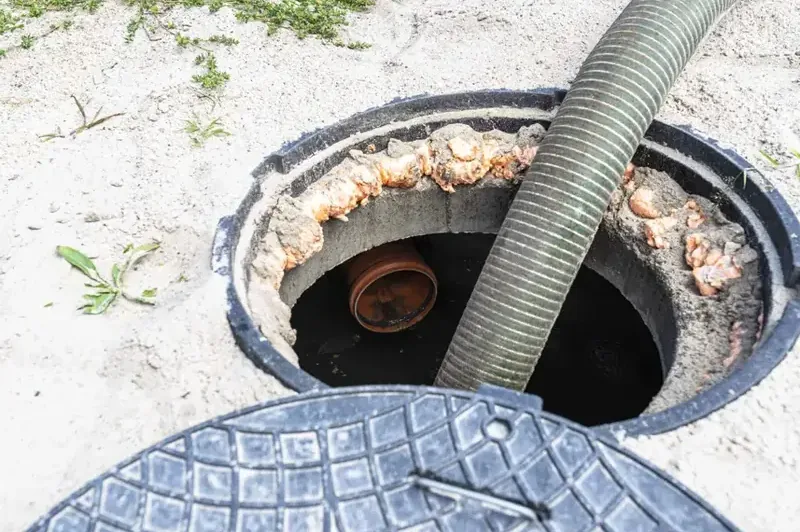
What to do the moment you find a sewage backup
- Step 1Stop all water use
Stop flushing, showering and running appliances; every gallon used adds to the backup.
- Step 2Keep everyone away
Keep people and pets away from the sewage and the rooms it reached.
- Step 3Cut power to wet rooms
Switch off breakers for wet rooms only from a dry panel.
- Step 4Do not try to clean it up
Skip the mop and bleach; household cleaning spreads contamination and does not make Category 3 water safe.
Sewage backs up when the sewer lateral between the house and the main clogs, collapses or fills with roots, or when a septic system fails. The water comes up through the lowest drain: a shower, a tub, a toilet or a floor drain in the laundry room. In Banning, older homes near Ramsey Street and the Gilman Ranch area often have aging sewer laterals under mature trees, and where a home relies on a septic system, a saturated drain field after winter storms can push water back into the house.
What does sewage backup cleanup cost in Banning, CA?
Sewage backup cleanup typically runs $2,500 to $15,000, set by the spread of the sewage, the square footage, the material class and how long it sat. A toilet overflow on tile sits at the low end; a backup through a floor drain into carpeted rooms sits at the high end.
- Containment and PPE
- Extraction and surface cleaning
- Antimicrobial at dwell time
- Carpet, pad and baseboards removed
- Drywall cut above the water line
- HEPA air scrubbers running
- Most porous materials removed
- Full containment of the work area
- Extended structural drying
The drivers are the water category, the square footage, the material class and how fast drying started. For a planning range, try the water damage cost calculator.
How sewage cleanup is handled in Banning
- 1
Contain the area
The mitigation team sets up containment and HEPA air scrubbers and suits up in PPE before anyone touches the sewage.
- 2
Extract and remove
The extraction crew removes the sewage, then the team removes carpet, pad and drywall above the water line in sealed bags.
- 3
Clean and treat
Every hard surface is cleaned and treated with an EPA-registered antimicrobial left on for its full dwell time.
- 4
Dry and verify
The drying team runs LGR dehumidifiers and air movers until readings match a dry reference, then removes containment.
The standard behind sewage cleanup
Category 3 the moment it happens
Porous materials above the water line come out
Containment, PPE minimums and HEPA air scrubbers
EPA-registered antimicrobial at its full dwell time
Why sewage cleanup in Banning homes follows Category 3 rules
Sewage carries bacteria and viruses. Under the IICRC S500 standard it is Category 3 the moment it happens, so nothing it soaks is dried and kept: carpet, pad, upholstered items and drywall above the water line come out. The crew works in PPE inside containment, and HEPA air scrubbers clean the air while the work goes on.
- PPE minimums include gloves, eye protection, boots and a respirator.
- Porous materials touched by sewage are removed above the visible water line.
- An EPA-registered antimicrobial is applied and left for its full dwell time.
What the crew checks before cleanup starts
Across the San Gorgonio Pass, from the older blocks to the newer tracts along Interstate 10, the response team stops water use in the house, checks for electrical hazards and sets up containment so the backup does not spread through the HVAC or foot traffic. The tech who does the walkthrough maps the wet area beyond the visible water. The EPA septic systems page explains why septic systems back up, and the CDC covers the health risks of sewage exposure.
Cleanup, treatment and drying
The extraction crew removes the sewage, the mitigation team removes contaminated materials and cleans every hard surface, then applies the antimicrobial. The drying team dries the slab and wall bottoms with LGR dehumidifiers and air movers. A plumber clears or repairs the lateral. Clean water from a supply pipe is a different job, covered on water extraction, and outside runoff on storm and flood cleanup.
Related water damage services
Sewage backup cleanup around Banning
The restoration team covers ZIP 92220 from downtown and the Ramsey Street corridor to Banning Heights, the Gilman Ranch area and the homes along Interstate 10, plus Beaumont and Cabazon next door.
Sewage Backup Cleanup questions
What should I do when sewage backs up?
Stop all water use, keep people and pets away, switch off power to wet rooms from a dry panel and call. Do not try to mop it up yourself.
Why is sewage cleanup different from other water damage?
Sewage is Category 3 water. Porous materials it touches are removed rather than dried, the area is contained, and surfaces are treated with an EPA-registered antimicrobial.
What causes sewage backups in Banning homes?
Roots and aging sewer laterals in older neighborhoods near downtown, grease and wipes in the drain, and septic systems that back up when the drain field is saturated after storms.
Can carpet be saved after a sewage backup?
No. Carpet and pad touched by sewage are removed and replaced under the IICRC S500 standard.
Is sewage backup covered by insurance?
Many policies need a sewer backup endorsement for this kind of loss. Coverage depends on your policy, so it is worth checking with your own insurer.
How long does sewage cleanup take?
Cleanup and treatment often take one to two days, followed by three to five days of drying.
Is it safe to stay in the house during cleanup?
Stay out of the contained area. Containment and HEPA air scrubbers keep the rest of the house cleaner, but people with health concerns may prefer to stay elsewhere.
Sewage coming up through a shower, toilet or floor drain right now?
(888) 563-9619Ask about the black waterSewage backup in a Banning home? Call now.
The mitigation team contains the area, removes contaminated materials and dries the structure to a verified reading.