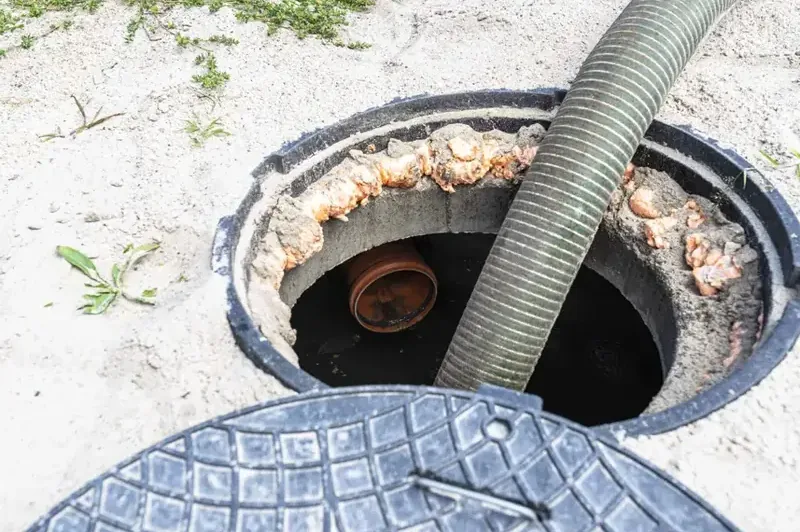
Mission Springs Water District serves the city, and the city site says sewer connections are handled by MSWD. Many homes are moving from septic tanks to that system, which changes who responds when something goes wrong. A sewage backup is a health hazard that needs protective gear and disinfection, and it is a different job from ordinary water cleanup.
Key takeaways
- Sewage water is contaminated, so people and pets stay out of the affected area until it is cleaned.
- Stop using sinks, tubs and toilets that drain to the blocked pipe, because every use adds more sewage.
- Porous materials touched by sewage, such as carpet and pad, are removed, not dried in place.
- Hard surfaces are cleaned, disinfected and dried, and moisture readings confirm the structure is dry.
- The M2 Septic to Sewer Project is moving about 700 homes and parcels from septic tanks to the MSWD system.
Why Sewage Is Not Ordinary Water Damage
Water from a supply pipe is clean when it leaves the pipe. Sewage is not, and it carries bacteria that can make people sick through skin contact, splashes or contaminated air.
That is why cleanup follows a stricter order than a normal leak, with protective gear, containment and disinfection.
Who Handles the Sewer in Desert Hot Springs
Mission Springs Water District began in 1953 as the Desert Hot Springs County Water District. It now has more than 1.25 million feet of pipeline, 13 water wells and 24 reservoirs, serving over 40,000 people.
The Nancy Wright Regional Water Reclamation Facility was completed in 2024 after groundbreaking in April 2022. It is part of a $68 million initiative that also includes the Regional Conveyance Line and the M2 Septic to Sewer Project.
The M2 Septic to Sewer Project
The M2 project lets about 700 homes and parcels on septic tanks connect to the MSWD system. For those owners, a backup in the house may now involve the connection to the new sewer instead of an old tank.
Who is responsible for what depends on where the problem is, so the district is the right contact for questions about its own pipes.
- Know whether the property is on septic or connected.
- Keep records of when the connection was made.
- Ask the district before digging or repairing near the sewer connection.
First Steps During a Backup
The first move is to stop adding water. Every flush or drain use sends more sewage toward the opening.
Do right away
Keep the area clear and protect the rest of the house.
- Stop using water in the house.
- Keep children and pets out.
- Wear rubber boots and gloves if anything must be moved.
- Photograph the area before cleanup.
Do not do
Some well meant steps spread the contamination.
- Do not use a household vacuum on sewage.
- Do not mix cleaning chemicals.
- Do not leave wet carpet in place.
How Sanitary Cleanup Works
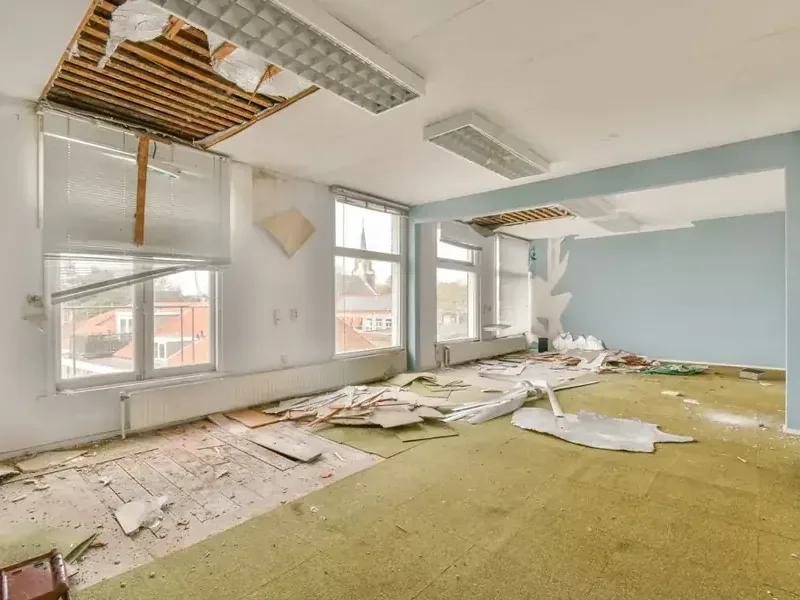
A crew first removes the standing sewage with pumps and extractors, then removes materials that cannot be cleaned. Sewage backup cleanup continues with washing and disinfecting every hard surface that was touched.
After that, the structure is dried with air movers and dehumidifiers, and readings confirm that framing and subfloors are dry.
- Standing sewage pumped out.
- Carpet, pad and soft drywall removed.
- Surfaces washed and disinfected.
- Structure dried and checked with a moisture meter.
Homes Built in the 1980s and 1990s
The city's population doubled in the 1980s, and most vacant lots were filled with new houses and duplex apartments in the 1980s and 1990s. A backup in a duplex can reach a neighbor, so quick notice to the other unit helps.
For any size of job, water extraction is the first stage that removes the liquid and limits where it spreads.
Protective Gear and Safe Handling
Anyone entering a sewage affected area should wear rubber boots, waterproof gloves and eye protection. Hands are washed thoroughly afterward, and clothing worn during the work is washed separately.
Crews add disposable coveralls, masks and containment sheeting to keep contamination from spreading through the rest of the house.
- Rubber boots and waterproof gloves.
- Eye protection and a mask.
- Plastic sheeting over doorways.
- Separate washing of work clothes.
Food, Pets and Children
Food that touched sewage water is thrown out, including packaged items that cannot be washed and sealed. Pets are kept away because they can track contamination to other rooms.
Children stay out of the affected area until the cleanup is finished and the surfaces have been disinfected.
Why Carpet and Pad Are Removed
Sewage soaks into carpet fibers and the pad underneath, and neither can be sanitized with confidence. Removing them is the safer path, even when the carpet looks fine on top.
Drywall that wicked up contaminated water is cut back past the wet line, and baseboards are removed so the base of the wall can be cleaned and dried.
Insurance and Records
Coverage for sewage backups varies by policy and is sometimes an add on, so the policy should be checked early. Photographs taken before cleanup, a list of removed items and the final drying readings help support a claim.
Checking the Drains After Cleanup
Cleanup does not fix the cause. If the backup came from a blocked drain inside the home, a plumber clears it before the area is closed.
If it came from outside the property, the sewer provider is the right contact.
Pouring grease down a drain, flushing wipes and allowing roots into old pipes are common reasons for blockages. A drain that is slow in more than one fixture often points to a shared problem lower in the system.
Before the repair is closed up, a final check of every fixture confirms that water flows freely.
Where to Find Help in the City
The Desert Hot Springs service page lists the water damage services available, and the ZIP codes 92240 and 92241 cover the city. A written record of the event, the cleanup steps and the final readings is useful for insurance and for the district.
Questions
Who runs the sewer system in Desert Hot Springs?
Mission Springs Water District, and the city site says sewer connections are handled by MSWD.
What is the M2 Septic to Sewer Project?
It lets about 700 homes and parcels on septic tanks connect to the MSWD system, as part of a $68 million initiative.
Can carpet be saved after a sewage backup?
Usually not. Carpet and pad that absorbed sewage are removed because they cannot be reliably disinfected.
Is sewage cleanup a do it yourself job?
Small spills on hard floors can be cleaned with care and protective gear, but larger backups need a crew trained in sanitary work.
What should be done first?
Stop using water, keep people and pets away, protect the area and photograph the damage before cleanup begins.
Can children and pets be in the house during cleanup?
They should stay out of the affected area until cleanup and disinfection are finished.