Ceiling Leak Water Damage in Desert Hot Springs, CA
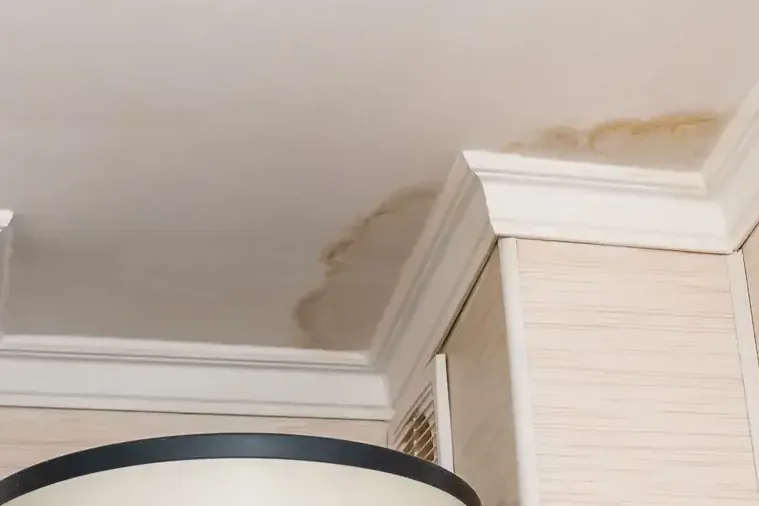
A brown stain or a sagging patch means water is collecting above the ceiling, and it may be coming from a pipe, a roof, an air conditioner or the unit upstairs. Crews relieve the water, open the wet section and dry what it reached.
(888) 563-9619Report the sagging ceiling- Stains and sagging
- Water released safely
- Duplex units
What to do the moment you find a ceiling leak
- Step 1Keep clear and relieve
Move people and furniture out from under the ceiling, and drain any bulge through a small hole into a bucket.
- Step 2Find the source
Meters and a thermal camera trace the water to a pipe, roof, air conditioner or the unit above.
- Step 3Open and dry
Sagging drywall and wet insulation are removed, and air movers and dehumidifiers dry the cavity.
- Step 4Confirm and repair
Readings must reach the dry reference before any new ceiling is installed.
A ceiling leak is a symptom, not the cause. Water travels along joists and pipes before it shows up overhead, so the stain may sit far from the real source. Duplex apartments added in Desert Hot Springs during the 1980s and 1990s add another wrinkle: a leak in one unit can pass through the shared floor system into the ceiling of the unit below before either occupant notices. Slow leaks leave a faint ring, while fast ones soak through at once.
What does ceiling leak water damage cost in Desert Hot Springs, CA?
Ceiling leak cleanup usually costs between $900 and $6,500 or more. A small stain dried in place sits at the low end, a sagging section that is removed costs more, and a collapse over a finished room reaches the top of the range, depending on the area and the source.
- Moisture mapped overhead
- Ceiling dried without cutting
- Short equipment run with readings
- Drywall and wet insulation removed
- Cavity dried with air movers
- Framing checked before closing
- Debris and water removed
- Flooring and contents protected
- Extended drying and a written scope
The drivers are the water category, the square footage, the material class and how fast drying started. For a planning range, try the water damage cost calculator.
How ceiling leak drying is handled in Desert Hot Springs
- 1
Make it safe
The crew keeps people out from under the sag, and it drains the water through a small opening to relieve the weight.
- 2
Trace the source
Moisture meters and a thermal camera follow the water to its origin, which may be a pipe, a roof leak or a unit above.
- 3
Remove and dry
Wet drywall and insulation are cut out, and air movers and dehumidifiers dry the joists and the room below.
- 4
Verify and report
Readings are repeated until the framing is dry, and the notes go to the homeowner, the neighbor and the adjuster.
The standard behind ceiling leak drying
A bulge can hold many buckets of water.
The stain is rarely above the real leak.
Water can cross from one unit to another.
Wet insulation keeps the ceiling damp for days.
Dangerous bulges and safe release
A bulging ceiling can hold a surprising weight of water. Keep people and furniture out from under it. A small hole made at the lowest point lets the water drain into a bucket and relieves the load before the drywall gives way.
- Photograph the stain before any opening is made
- Turn off nearby light fixtures and fans if water is dripping through them
- Keep the room below clear until the ceiling has been checked
Finding where the water started
Crews check pipes, the roof, the air conditioner and any unit above using meters and a thermal camera, then pass the findings to the right trade. A plumber, roofer or HVAC technician repairs the source. In a duplex, the first call is often to the property manager, because the source may sit in a unit nobody in the damaged home can enter. Related pages cover roof leak water damage and AC condensate leak cleanup.
Drying and records
Wet insulation is removed, the cavity is dried with air movers and the framing is read with a meter until it reaches its dry reference, and painting waits until the cavity is verified dry or the stain returns. Photos and readings help a claim, and residents of shared buildings should tell the neighbor above. Federal water efficiency tips and consumer safety information cover prevention.
Related water damage services in Desert Hot Springs
Ceiling leak water damage around Desert Hot Springs
Ceiling leak response covers homes and duplexes in ZIP codes 92240 and 92241, including Mission Lakes Country Club, Sky Valley and the other communities around the city.
The same service nearby: ceiling leak water damage in Banning, Beaumont, Yucaipa.
Water damage restoration in Desert Hot Springs · every town covered
Ceiling Leak Water Damage questions
Is a sagging ceiling dangerous?
Yes. It can hold a pocket of water and collapse without warning. Keep people out from beneath it and have the water released at the lowest point.
Where is a ceiling leak most likely coming from?
Common sources are a supply or drain pipe, a roof leak, an air conditioner drain and, in apartments, the unit above. Meters help find the actual path.
Can a ceiling stain be painted over?
Not until the cavity has been dried. Paint hides the stain but does not remove the moisture, and the water mark often comes back.
Does insurance cover a ceiling leak?
Sudden leaks are often covered, while slow ones and the repair of the source may not be. Coverage varies by policy, so keep photos and readings.
What if the leak came from the apartment above?
Tell the property manager or neighbor right away. Their insurance may be involved, so photos and dated readings help sort out responsibility.
Does the whole ceiling need to be replaced?
Usually only the saturated or sagging section. Firm drywall can often be dried in place after the source is fixed.
How long does drying take?
Most ceiling cavities dry in a few days with equipment running, and readings decide when it can leave.
A bulging ceiling can release a sudden load of water, so a quick description helps the crew plan a safe approach.
(888) 563-9619Ask about ceiling dry-out stepsIs the ceiling bulging or dripping?
Keep clear of the area, then describe the stain and any unit above, and the crew will outline a safe plan.