Water Extraction in Desert Hot Springs, CA
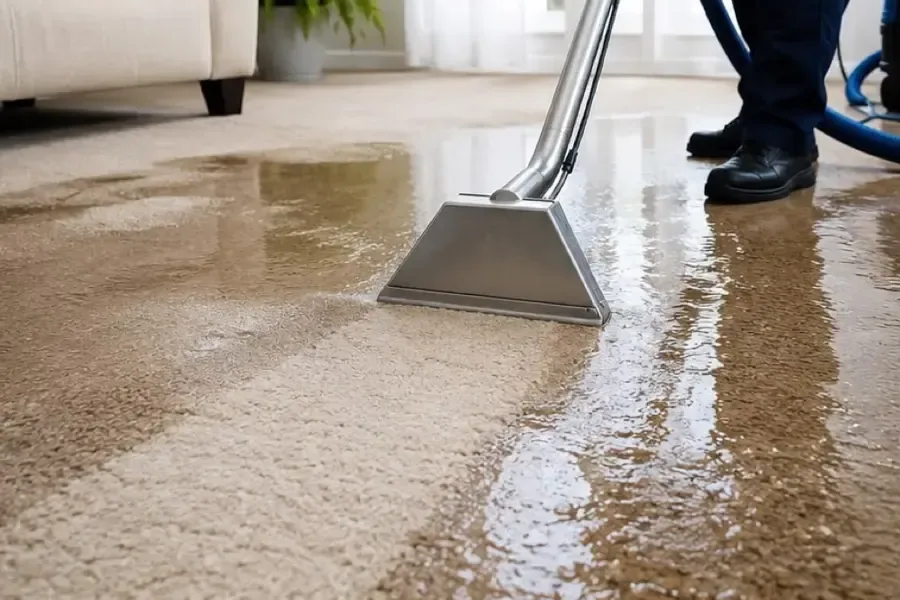
Standing water soaks into carpet, pad, baseboards and drywall for as long as it sits. Extraction crews remove the bulk of it with pumps and wands, then hand the room to drying equipment so the structure can return to a normal moisture level.
(888) 563-9619Describe the standing water- Pumps and wands
- Carpet and pad moisture
- Hard floors too
What to do the moment you find standing water
- Step 1Assess the water
The crew finds the source, checks for electrical hazards and measures how far the water has spread through the property.
- Step 2Pump standing water
Submersible and truck mounted pumps clear deep water from floors and low spots before surface work begins.
- Step 3Extract the surfaces
Wands and weighted tools pull moisture up from carpet, pad and hard floors in overlapping passes.
- Step 4Hand off to drying
Moisture readings decide which wet materials move on to air movers, dehumidifiers or removal.
Extraction is the first physical step in most water losses, and it matters because the longer water stays in carpet or against a wall, the further it moves into the building. In a Desert Hot Springs home the goal is to lift as much liquid as possible before air movers and dehumidifiers take over the remaining moisture.
What does water extraction cost in Desert Hot Springs, CA?
Water extraction on its own usually runs from $600 for one room of clean water to $4,500 or more for muddy storm or sewage water, with the final figure set by the area, the depth and the type of water.
- One bedroom or kitchen floor with clean supply water
- Pump and wand extraction
- Drying equipment follows
- Several carpeted rooms
- Pad lifted or checked for contamination
- Baseboards pulled where wet
- Protective gear and containment
- Porous materials removed
- Surfaces cleaned and treated
The drivers are the water category, the square footage, the material class and how fast drying started. For a planning range, try the water damage cost calculator.
How water extraction is handled in Desert Hot Springs
- 1
Source and safety
The crew confirms the water has been stopped or contained, and it checks outlets and appliances before any equipment is plugged in.
- 2
Bulk water removal
Pumps clear the deep water first, and wands then work the carpet and floors until the machines stop producing liquid.
- 3
Pad and material decisions
Carpet pad that held dirty water is usually removed, while clean carpet is often lifted and dried so it can be reused.
- 4
Moisture check
Meter readings on floors, baseboards and lower walls show what extraction missed, and those readings set up the drying plan.
The standard behind water extraction
A thin film on a floor can still wick up drywall.
Foam pad holds more water than the carpet above it.
Water slips under baseboards and through floor seams.
Dirty water changes the plan from drying to cleaning.
How extraction works on different floors
Carpet is worked with a flat extraction head that pulls water up through the fibers and pad, while hard floors get squeegee passes and a wet vacuum. Deep standing water is pumped out first, then wands finish the surface so less liquid is left for the dehumidifiers. Wet vacuums finish edges and corners that the larger wand cannot reach.
- Carpet and pad are extracted in overlapping passes, then the pad is checked for contamination
- Hardwood and laminate are cleared quickly because seams hold water against the boards
- Tile and sealed floors are vacuumed, with baseboards pulled where water sits behind them
What extraction cannot finish alone
A wand cannot reach water inside wall cavities, under cabinets or deep in a subfloor. Those areas need panels or toe kicks opened, followed by drying equipment and moisture meters. Skipping that step is how a floor that looks dry keeps feeding odors and staining later, and structural drying is the stage that closes the gap. Cabinet bases and wall bottoms are the usual hiding places, and they are probed with a meter rather than judged by touch.
When extraction needs extra care
Water from a sewage backup or muddy storm runoff is not simply pumped and forgotten. Crews wear protective gear, remove porous materials that cannot be cleaned and treat the surfaces. See sewage backup cleanup or storm and flood cleanup for those jobs, and read federal flood safety advice and health information after floods before re-entering a wet building.
Related water damage services in Desert Hot Springs
Water extraction around Desert Hot Springs
Extraction crews serve homes and businesses in ZIP codes 92240 and 92241, from Mountain View Country Estates and Skyborne to Mission Lakes Country Club, Desert Edge and Sky Valley.
The same service nearby: water extraction in Banning, Beaumont, Yucaipa.
Water damage restoration in Desert Hot Springs · every town covered
Water Extraction questions
How deep does water need to be for extraction?
Any standing water is worth removing. Even a thin layer can soak carpet pad, baseboards and the bottom of drywall, so crews extract it before running drying equipment.
Can a regular wet vacuum do the job?
A household vacuum clears a spill, but it cannot pull water from deep pad or move large volumes. Larger losses need pumps and extraction wands, followed by measured drying.
Will the carpet be saved?
Carpet that took in clean water is often cleaned and dried in place or lifted and reinstalled. The pad is usually replaced, and contaminated carpet is removed.
What happens to wet furniture?
Furniture is lifted or blocked off the floor so legs do not stain, and wet upholstery is moved to a dry area. Solid wood pieces are checked for moisture before they return.
How long does extraction take?
The pumping and wand work usually finishes in a single visit, though the time depends on the area and the depth. Drying afterward runs for several days with equipment in place.
Is extraction different after a sewage backup?
Yes. Crews wear protective gear, collect contaminated water carefully and remove porous materials. Surfaces are then cleaned and treated before drying starts.
Does the cost depend on the floor?
Floor type matters less than area, depth and water type. A clean one room loss costs far less than muddy water through several rooms, as the cost cards above show.
Standing water keeps spreading into new materials, so a short description of the loss helps the crew plan.
(888) 563-9619Ask about pumping water outIs water still sitting on the floor?
Describe the depth and the floors affected, and the crew will explain how extraction and drying will proceed.