Storm and Flood Cleanup in Yucaipa, CA
Storm water brings more than moisture. Mud, debris and contaminated runoff come in with it, and the cleanup has to remove the solids, wash every surface and then dry the whole structure.
(888) 563-9619Report storm water inside- Mud and debris cleared
- Floors washed and sanitized
- Walls dried out
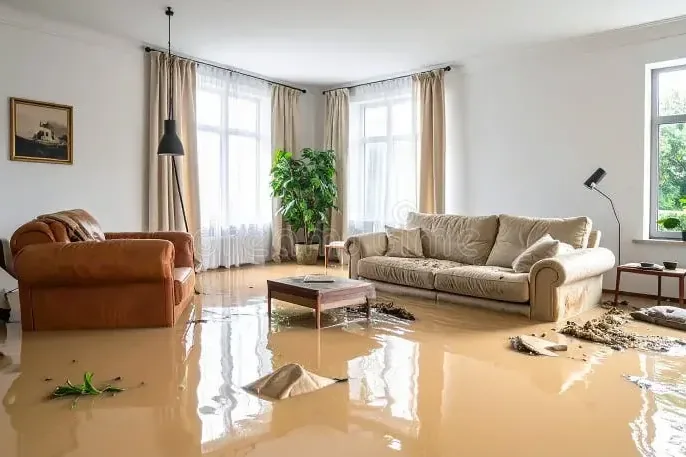
What to do the moment you find storm water inside
- Step 1Stay safe
Keep out of deep water, switch off power to wet rooms and photograph the waterline before moving anything.
- Step 2Clear the mud
Debris and silt are shoveled and hauled out before pumping starts and floors are washed.
- Step 3Extract and cut
Water is pumped, floors are washed and wall bases are cut where insulation is soaked with dirty water.
- Step 4Dry and sanitize
Equipment runs until readings are normal, and a written report is prepared for your claim.
Storm and flood water is treated as contaminated. It crosses yards, roads and drainage, and picks up soil and bacteria before it enters a house. That is why storm cleanup goes further than simple extraction, and why porous materials that were soaked are often removed. Hauling out ruined items early also gives the crew room to work and keeps contaminated debris from spreading to dry rooms.
What does storm and flood cleanup cost in Yucaipa, CA?
Storm and flood cleanup commonly runs $3,000 to $25,000+. A garage and one room is the lowest, several rooms with flood cuts cost more, and a whole home affected by runoff, silt and mud can reach the top of the range quickly, so early work matters. Final pricing follows a walk through.
- Mud hauled out
- Floors washed and sanitized
- Short drying run
- Wall bases cut and cleaned
- Carpet and pad discarded
- Days of drying equipment
- Widespread debris and mud
- Major demolition and sanitizing
- Extended drying and reports
The drivers are the water category, the square footage, the material class and how fast drying started. For a planning range, try the water damage cost calculator.
How storm cleanup is handled in Yucaipa
- 1
Assess and protect
The crew checks for safety hazards, notes the waterline and protects rooms that stayed dry before bringing in equipment.
- 2
Remove solids
Mud, silt and debris come out first so extraction and washing can reach the floor surface.
- 3
Extract and cut
Standing water is pumped, contaminated materials are removed and wall bases are opened above the waterline.
- 4
Sanitize and dry
Surfaces are cleaned, air movers and dehumidifiers run, and readings are recorded until the structure is dry.
The standard behind storm cleanup
Move water and light mud out of garages and low rooms.
Treat floors and framing touched by dirty runoff.
Show where moisture climbed above the waterline.
Hauling keeps ruined carpet and drywall out of the house.
What the Oak Glen mudflow showed
In September 2022, after Tropical Storm Kay, a mudflow surged through Oak Glen. Crews cleared debris from roads, part of Highway 38 near Forest Falls closed and Yucaipa Police ordered evacuations along North and South Oak Glen Road. It is a reminder that storms near Yucaipa can bring mud and debris as well as water, so a cleanup plan has to account for solids as well as moisture. Garages, patios and ground level rooms are usually the first to take it.
How the cleanup runs
- Mud and debris are shoveled and hauled out before extraction begins.
- Floors are extracted, washed and treated with a sanitizer suited to contaminated water.
- Walls are cut a short distance above the waterline when insulation has soaked up dirty water.
- Furniture and stored items are sorted into what can be cleaned and what must be thrown out.
Flood cuts and drying
A flood cut removes the lower section of drywall so the wall cavity can be inspected, cleaned and dried. Air movers and dehumidifiers then run until readings are normal. Carpet and pad that were soaked by storm water are almost always discarded, while solid wood and tile can often be cleaned, sanitized and dried in place.
After the water recedes
Keep photos of the waterline, the mud and the belongings before anything is moved. The crew's report adds readings and a scope that support a claim. Flood coverage is often separate from a standard policy, so ask your carrier early. For plain standing water without mud, see water extraction.
Related water damage services in Yucaipa
Storm and flood cleanup around Yucaipa
Storm cleanup covers ZIP 92399 across Yucaipa, including Oak Glen, Wildwood Canyon, North Bench, Mentone and Cherry Valley, at every hour of the day and on every day of the week.
The same service nearby: storm and flood cleanup in Banning, Calimesa, Highland.
Storm and Flood Cleanup questions
Is storm water safe to be around?
No. It can carry bacteria and chemicals from roads and yards, so wear boots and gloves and keep children and pets away.
Can carpet be saved after a flood?
Usually not. Carpet and pad soaked by storm water are porous and contaminated, and they are typically discarded.
What is a flood cut?
A flood cut removes the bottom of the drywall above the waterline so the wall cavity can be cleaned and dried.
Does the crew remove mud?
Yes. Mud and debris are removed first, then floors are washed and sanitized.
How long does storm cleanup take?
Small jobs take a few days. Whole home losses take longer, and readings decide when drying ends.
Does homeowners insurance cover floods?
Flood coverage is usually separate from standard policies. Check your policy before filing and keep complete photos and receipts.
Can roofs leak during the same storm?
Yes. Storm runoff can enter from below while rain comes through the roof above, so both are checked.
Do mud and silt stain walls?
Yes, they can. Walls are washed, flood cuts are made where silt reached the insulation, and the cavity is dried before closing.
Storm water or mud inside the house? Describe the rooms affected.
(888) 563-9619Ask about flood cleanupClear the mud and dry the house
Mud and storm water leave contaminated residue, so early removal and sanitizing protect floors and walls.