Slab Leak Water Damage in Beaumont, CA
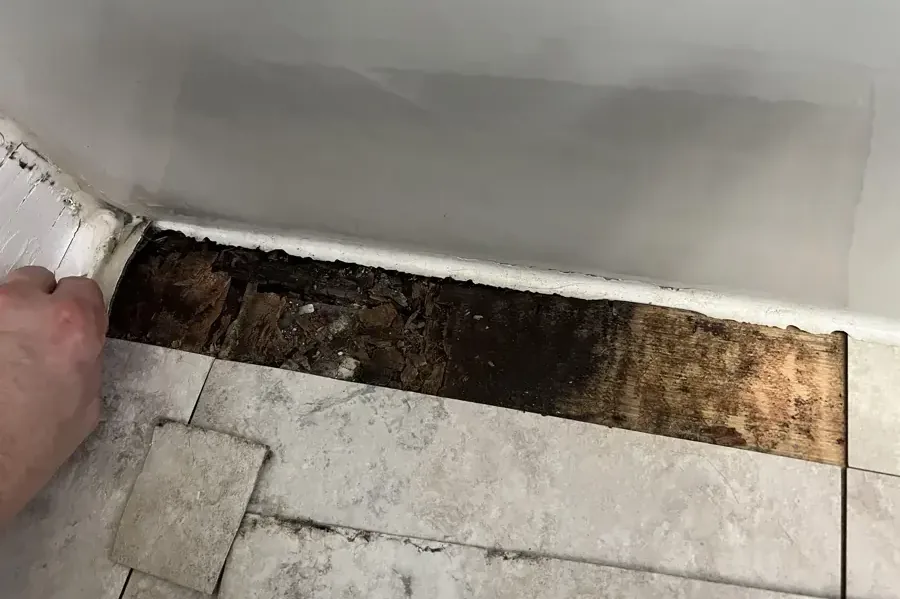
When a pressurized pipe leaks beneath concrete, water rises into flooring, trim and the base of the walls. Here, the mitigation team finds the wet footprint, lifts whatever holds moisture and dries the concrete to a confirmed reading, 24/7.
(888) 563-9619Warm floor at home? Call now- Thermal scan of the floor
- Drying mats with LGR units
- Readings logged for the claim
What to do the moment you find a slab leak
- Step 1Shut the main valve
Close the main right away so the pressurized pipe stops pushing water beneath the floor.
- Step 2Read the water meter
Turn off every tap and watch the dial; if it still turns, the leak is on the pressure side.
- Step 3Switch off the heater
When the warm patch suggests hot water, turn the water heater off at its gas control or breaker.
- Step 4Photograph, then clear the area
Take pictures of stains and warm patches, then lift rugs, furniture and stored boxes off the floor.
A slab leak means a supply pipe is leaking under a concrete floor, out of sight. Trapped below, the water climbs and spreads, turning up as a warm patch, wet grout, a plank that cups or trim that swells. Tap water here comes from the Beaumont-Cherry Valley Water District, which pumps groundwater from the basin under the city and from wells in Edgar Canyon, and that supply pressure keeps feeding a leak until someone closes the main.
What does slab leak water damage cost in Beaumont, CA?
Cleanup after a slab leak usually costs $1,800 to $9,000. Cost depends on how much flooring holds water, the wet square footage of concrete, the material class and how long the leak went unnoticed. The plumber bills the pipe repair on its own.
- A room or hallway of damp concrete
- Mats and LGR units doing the drying
- Trim pulled so the walls can dry
- Moisture-trapping floors taken up
- Lower walls opened where meters read wet
- Five to seven days of logged readings
- Multiple rooms of soaked concrete
- Desiccant units for Class 4 drying
- Cabinet bases and wall cavities dried
The drivers are the water category, the square footage, the material class and how fast drying started. For a planning range, try the water damage cost calculator.
How slab leak drying is handled in Beaumont
- 1
Map the moisture
The walkthrough tech sweeps the floor with a thermal camera, then checks each warm or cool zone with a meter before outlining the wet area.
- 2
Remove only what traps water
The mitigation team takes up just the flooring and trim holding moisture, photographing each stage so the adjuster can tie removal to readings.
- 3
Dry the slab and walls
Drying mats cover the concrete, air movers face the lower walls and LGR dehumidifiers are sized to the sealed-up house.
- 4
Confirm it is dry
Readings are logged each day, and gear is removed only after the slab matches a dry reference taken in an unaffected room.
The standard behind slab leak drying
Clean supply water early on, rechecked if it lingers for days
Class 4 when concrete and sill plates are soaked through
Drying mats, LGR dehumidifiers, desiccants for long leaks
Meter readings within 2 to 4 points of a dry reference floor
Why concrete hides a leak and holds water
Concrete absorbs water and releases it at a crawl. When a stain finally shows, the floor beneath carpet, laminate or tile has typically been soaking for days, with water climbing into the sill plate and the lowest inches of drywall. The IICRC S500 standard rates dense materials like these as Class 4, so the drying plan calls for longer runs than a carpet-only job.
- Hot water leaks under the floor often announce themselves as a warm patch first.
- If the meter dial turns while every tap is off, a pressurized leak is likely.
- Laminate and engineered flooring seal water against concrete and typically get pulled.
What gets checked before flooring is lifted
The walkthrough tech scans with a thermal camera and pinless meters, outlines the wet area and records dated photos before a single board comes up. That outline sets how much floor is removed and which lower walls are opened. Federal water-saving advice shows how to use a meter to spot hidden leaks, and the plumber fixing the pipe relies on that same outline.
Drying the concrete once the pipe is fixed
With the repair done, drying mats go down on the wet concrete, air movers line the damp walls and LGR dehumidifiers run in the sealed house. Summer highs near 95 F can make rooms feel dry well before the slab is, so meter readings set the finish date. Opened cavities follow the structural drying steps, and water entering through a door falls under storm and flood cleanup. Federal flood preparation tips cover the rest.
Related water damage services in Beaumont
Slab leak water damage around Beaumont
The restoration team covers ZIP 92223 across Beaumont, from Fairway Canyon and Tournament Hills to Olivewood, Sundance and the homes along Interstate 10 and State Route 60.
The same service nearby: slab leak water damage in Banning, Calimesa, Yucaipa.
Slab Leak Water Damage questions
What are the signs of a slab leak?
A warm patch underfoot, dampness with nothing leaking above, a meter dial that turns with every tap off, or a water bill that jumps. Thermal imaging and meters confirm the wet area.
Must the entire floor be torn out?
Seldom. Only flooring that holds water, like laminate or pad, gets removed, and tile is dried where it lies when meter readings allow.
How long does concrete take to dry after a leak?
A small wet area often dries within four to six days. A hot water leak left running for weeks takes longer, since concrete releases water slowly.
Will insurance pay for slab leak damage?
Many policies treat sudden water damage one way and the pipe repair and access work another. Coverage depends on your policy, so it is worth checking with your own insurer.
Who fixes the pipe under the concrete?
A plumber handles the repair or reroute. The drying team works around it and records the water damage for the claim.
Why open the lower walls so soon?
Mold growth can begin within 24 to 48 hours on wet drywall and trim, so lower walls get opened and dried once readings find water inside.
How much does slab leak cleanup run?
Typically $1,800 to $9,000, based on the flooring, the wet area and how long the leak ran. The water damage cost calculator offers a rough figure.
A warm or damp patch on the floor and no leak in view?
(888) 563-9619Ask about the warm slabSlab leak in the house? Call now.
The mitigation team outlines the wet concrete, lifts only what holds moisture and dries the slab to a confirmed reading.