Structural Drying in Beaumont, CA
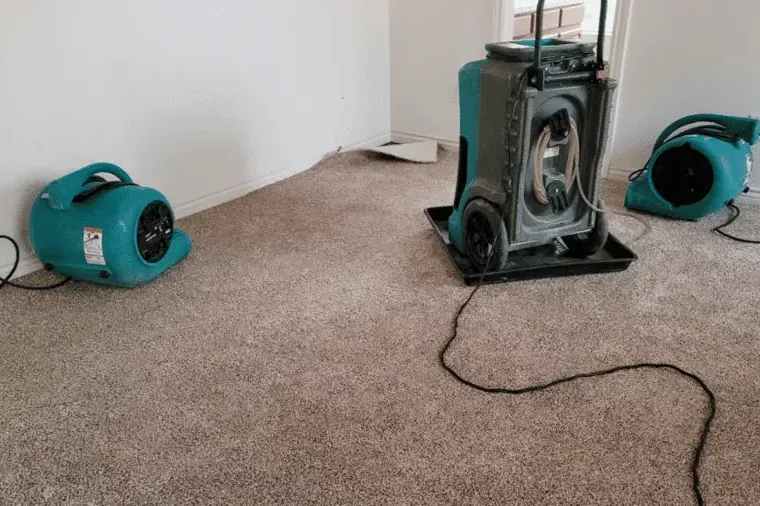
After the water is removed, walls, subfloors and framing still hold moisture. Crews in Beaumont set air movers and dehumidifiers, take daily readings and stop only when every material reaches its dry goal.
(888) 563-9619Plan the drying today- Daily readings
- Equipment placed by class
- Dry goal verified
What to do the moment you find wet walls and floors
- Step 1Set the baseline
Dry reference readings are taken in unaffected rooms and on matching materials.
- Step 2Place equipment
Air movers and dehumidifiers are sized to the class of the loss and the room volume.
- Step 3Check each visit
Readings are logged and equipment is moved or adjusted as the wet area shrinks.
- Step 4Verify and remove
Equipment leaves only after every material reaches its dry goal on the meter.
Structural drying is the careful part of water damage. Pumping removes liquid water, but wood, drywall and concrete keep moisture inside until it evaporates. A drying plan sets equipment by the size of the area and the type of material, then tracks readings each visit so nobody guesses when the job is done.
What does structural drying cost in Beaumont, CA?
Structural drying typically costs from $1,200 to $9,000 or more. A small Class 1 or 2 area is the low end, Class 3 ceilings and walls cost more, and Class 4 dense materials cost the most because drying runs longer.
- A few air movers
- One dehumidifier running
- Short run with readings
- Cavities opened for airflow
- More equipment needed
- Several days of readings
- Specialty drying methods
- Extended monitoring visits
- Longer equipment run
The drivers are the water category, the square footage, the material class and how fast drying started. For a planning range, try the water damage cost calculator.
How structural drying is handled in Beaumont
- 1
Classify the loss
The crew decides how much water was involved and which materials absorbed it, which sets how much equipment the job needs and where it should sit.
- 2
Place the equipment
Air movers direct airflow along walls and floors, and dehumidifiers are positioned to pull moisture from the room air.
- 3
Monitor each day
Technicians return to log readings, move air movers and add or remove units as the wet area shrinks.
- 4
Confirm the dry goal
Equipment is removed only after readings in every affected material match the reference points.
The standard behind structural drying
Direct airflow across wet surfaces and cavities.
Pull moisture out of damp room air.
Read wood, drywall and concrete.
Daily record of every reading taken.
Why readings matter
Surfaces can feel dry while framing is still wet, and ending too early leads to swelling, odor and repair failures. The crew chooses reference points in unaffected areas, records readings in the wet area each day and compares them. When the numbers match, the structure is done, not before, and the log shows the adjuster exactly how the conclusion was reached.
How equipment is chosen
Air movers push dry air across surfaces while dehumidifiers pull moisture from the air. The mix depends on the affected area and the materials, which are grouped into classes by how much water they absorbed.
- Class 1 and 2 jobs involve smaller areas and less absorbent materials
- Class 3 jobs involve water from above, soaking ceilings and walls
- Class 4 jobs involve dense materials that hold water deeply
Drying in place or opening up
Many materials can dry in place if air can reach them. Where it cannot, a few small openings or a pulled baseboard let air in without tearing out finished surfaces. Where insulation or porous material is soaked, it is removed. Related steps are covered under hidden leak work and water extraction.
What owners should expect
Equipment is loud and warms the room, and it will run for several days. Keep doors closed, avoid unplugging units, and let the crew adjust the setup because small changes in airflow can speed the work noticeably. The EPA indoor air quality pages explain why moisture control matters, and flood safety advice covers electrical care around wet areas.
Related water damage services in Beaumont
Structural drying around Beaumont
Crews serve ZIP 92223, including Fairway Canyon, Tournament Hills, Olivewood, Noble Creek Vistas, Sundance and Three Rings Ranch, as well as homes close to Interstate 10 and State Route 60.
The same service nearby: structural drying in Banning, Calimesa, Yucaipa.
Structural Drying questions
How long does structural drying take?
It depends on the materials and the amount of water. Most jobs need several days, and readings decide when the equipment leaves.
Why are dehumidifiers needed with air movers?
Air movers lift moisture from surfaces, and dehumidifiers pull it from the air so it does not settle in other materials.
Can I turn the equipment off at night?
Please do not. Drying depends on continuous operation, and the crew can explain how to manage the noise, the heat and the cords safely.
What do the readings show?
They show moisture content in wood, drywall and concrete compared with dry reference points in the same house.
Will drying damage my flooring?
Controlled drying usually protects flooring. Hardwood may cup if left wet, and the crew uses mats and air to limit movement.
Do I need to open the walls?
Not always. Many walls dry through small openings or pulled baseboards. Openings are used only where readings stay high.
Does insurance pay for drying?
Covered water losses usually include drying equipment and monitoring. Daily logs and photos support the claim.
Water removed but walls still damp? Ask for a drying plan.
(888) 563-9619Ask about the readingsWalls still feel damp? Call the crew
One call sets the equipment, the reading schedule and the dry goals for every wet material in the home.