Water Extraction in Calimesa, CA
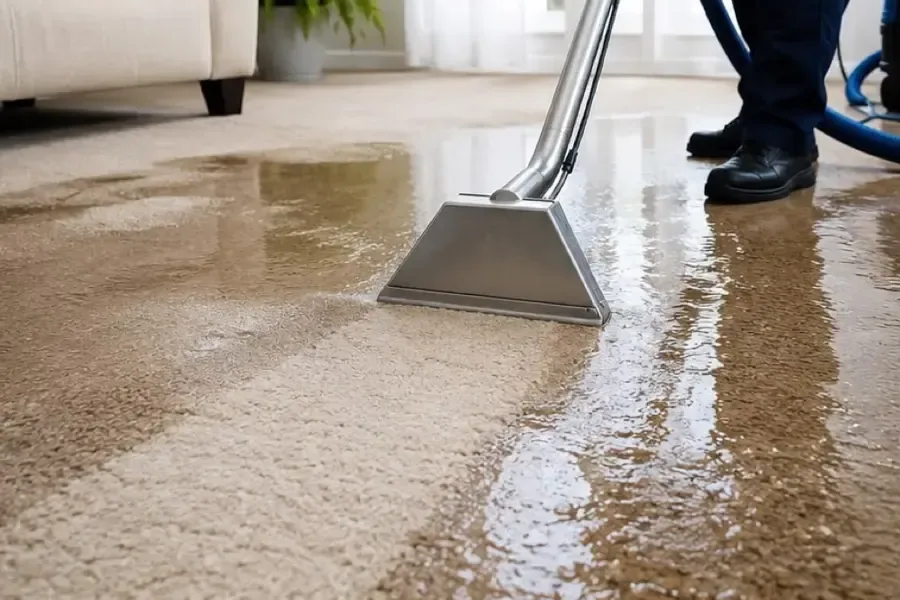
Water that sits on a floor keeps moving into baseboards, pad and subfloor. Extractors, from heavy truck units to hand wands, lift it out of carpet and hard surfaces first, and moisture readings then show what still needs drying in the walls and floor below.
(888) 563-9619Get the water pulled out- Carpet, pad and hard floors
- Source shut off first
- Moisture checked after
What to do the moment you find standing water
- Step 1Shut off the source
The valve is closed or the leak is stopped so the water level stops rising before the machines start.
- Step 2Pull the standing water
Extractors and wands lift water from carpet, pad, tile and hard floors, working from the lowest point.
- Step 3Check what soaked through
Meters scan baseboards, walls and the subfloor to find water that traveled beyond the visible wet area.
- Step 4Hand off to drying
Air movers and dehumidifiers take over, and removal is limited to the pieces that readings say cannot dry.
Standing water is the most urgent kind of damage because every minute it sits, it climbs into baseboards and soaks the pad under the carpet. In a home near Interstate 10 or a shop in the Downtown Business District, the first job is the same: stop the source, then lift as much liquid as the machines can reach.
What does water extraction cost in Calimesa, CA?
A single room of clean water is the lowest tier for most homes, and cost climbs with the area covered and the type of water. Contaminated storm or sewage water raises the top of the range.
- Extraction from one room
- Moisture check of walls
- Fans for the first drying visit
- Extraction across rooms
- Pad removal where needed
- Daily meter readings
- Protective gear and disposal
- Surface cleaning and treatment
- Longer equipment stay
The drivers are the water category, the square footage, the material class and how fast drying started. For a planning range, try the water damage cost calculator.
How water extraction is handled in Calimesa
- 1
Arrival and triage
The crew confirms the source is off and sorts rooms by wetness so extraction starts where the most water sits.
- 2
Extraction passes
Machines run over carpet and hard floors in overlapping passes, and the tank is emptied until little water returns.
- 3
Mapping the leftovers
Meters and a thermal camera show moisture hiding under flooring, in baseboards and at the bottom of walls.
- 4
Drying setup
Fans and dehumidifiers are placed so air crosses the wet surfaces, and a return visit checks the readings.
The standard behind water extraction
Truck units and portable machines lift water from carpet and pad.
Narrow heads reach seams, thresholds and tile joints where puddles hide.
Pin and pinless tools show what the eye cannot see inside baseboards.
Sized to the room, they pull leftover moisture from air and walls.
What extraction removes first
Extraction comes before fans, because a fan only moves moisture around when puddles are still on the floor. Gallons come out of carpet and pad with weighted tools, and hard floors get wands that pull water from seams and thresholds. After that, the moisture meter shows how much is left in the materials. Crews work from the lowest point outward, so water is not pushed into dry rooms, and a second pass goes over areas the first one left damp.
- Carpet and pad lifted and drained
- Hard floors wanded along seams
- Thresholds and wall bases checked
Why speed matters for the subfloor
Water travels sideways under flooring and wicks upward into drywall. A bit of extra time can turn a wet rug into wet framing. Crews pull the water first, then peel back the pad or baseboard where meters show it traveled. Even a thin film under vinyl or laminate counts, since trapped moisture swells the planks and loosens the glue long after the surface looks clean. See the structural drying page for what follows, and the federal advice on fixing leaks on stopping the source.
When the water is not clean
Clean supply water can often be dried in place. If the water came from a backup or from outside, the carpet and pad usually go, and the area is treated before any drying starts. The sewage backup cleanup page explains that case, and federal flood safety advice covers what to avoid touching. Gray water from an appliance sits in between and is judged room by room.
Related water damage services in Calimesa
Water extraction around Calimesa
Serves ZIP 92320, from homes beside Interstate 10 and County Line Road to shops in the Downtown Business District, Summerwind Ranch at Oak Valley and Mesa Verde.
The same service nearby: water extraction in Banning, Yucaipa, Beaumont.
Water Extraction questions
How soon does the water need to come out?
As soon as possible. Carpet pad and drywall absorb moisture steadily, so the sooner the source is stopped and the water lifted, the less material has to be thrown away.
Can carpet be saved after extraction?
Often yes, when the water was clean and the carpet is lifted and dried in time. Pad usually does not dry well and is replaced, while the carpet itself can be reset.
Do fans alone dry a flooded room?
No. Fans move air, but standing water has to be removed first. Extraction takes out the bulk, and fans and dehumidifiers finish what is left in the materials.
What if the water came from outside?
Storm water carries soil and bacteria, so carpet and pad are usually removed and the floor cleaned and treated. That is more work than a clean pipe leak.
Will walls need to be opened?
Only when readings show moisture inside them. Small holes or removed baseboards often let the cavity dry without taking out the whole wall.
What should be moved before the crew arrives?
Lift electronics, rugs and small furniture onto dry surfaces if it is safe, and leave heavy pieces. Take photos first so the claim has a record.
Does insurance cover extraction?
Many policies do for sudden water, but terms differ. The crew keeps photos and readings so the insurer has what it needs.
Standing water on a floor? Talk it through with the crew now.
(888) 563-9619Request an extractor visitPull the water before it travels
Every layer of carpet and pad holds more than it seems. A call gets the extraction started and the leftover moisture measured.