Structural Drying in Calimesa, CA
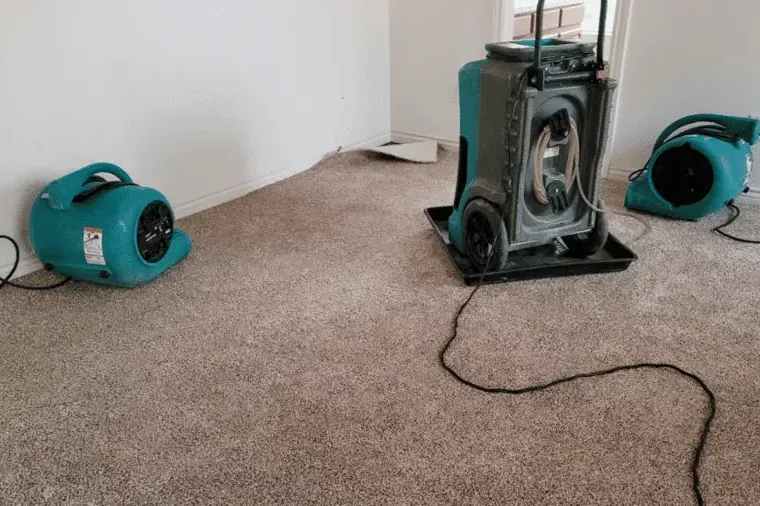
After the water is out, moisture stays in wall cavities, subfloors and framing. The crew places air movers and dehumidifiers and checks readings daily until every material reads normal and the drying goals are met.
(888) 563-9619Plan the drying- Air movers and dehumidifiers
- Daily moisture readings
- Dry goals documented
What to do the moment you find wet walls and floors
- Step 1Set the dry goal
Readings from unaffected materials set the target, and wet spots are marked, photographed and logged on the first visit.
- Step 2Place the equipment
Air movers and dehumidifiers go in where the layout moves air across wet surfaces and cavities.
- Step 3Check daily
Moisture is read again at each visit, and equipment is moved to wherever the numbers are still high.
- Step 4Remove and sign off
Equipment leaves only when each material reaches its goal, and the final log is handed over.
Removing standing water is only half of a water loss. Wood, drywall and insulation hold moisture long after the puddles are gone, and that trapped water can warp floors, loosen paint and weaken framing. Structural drying is the controlled work of pulling it out of the materials themselves.
What does structural drying cost in Calimesa, CA?
Class 1 or 2 work in one area is the lowest tier. Class 3 ceilings and walls cost more, and Class 4 dense materials such as hardwood and subfloors reach the top tier. Room size, wall height and the number of wet layers also affect the total.
- A few air movers per room
- One dehumidifier sized to the room
- Daily readings
- Cavity drying systems
- Larger dehumidification units
- Opened ceiling checks
- Specialty drying mats
- Long equipment run
- Repeated moisture mapping
The drivers are the water category, the square footage, the material class and how fast drying started. For a planning range, try the water damage cost calculator.
How structural drying is handled in Calimesa
- 1
Map the moisture
Meters and a thermal camera mark wet materials, and a baseline is set from dry parts of the house.
- 2
Design the setup
The crew sizes dehumidifiers and air movers to the volume of the room and the type of material, and plans where the air will travel.
- 3
Monitor daily
Each visit records readings, adjusts equipment and confirms that moisture is falling toward the goal.
- 4
Pull the equipment
Once every material meets the dry goal, the equipment is removed, the openings are noted for the repair crew and the drying log is delivered.
The standard behind structural drying
They push dry air across wet surfaces.
They remove vapor released by materials.
They show moisture inside wood and drywall.
They pull water from hardwood floors.
How drying equipment works
Air movers push dry air across wet surfaces, and dehumidifiers pull the released vapor out of the room. Together they move moisture from materials into the air and then out of the building. Sealing the room helps the dehumidifier work faster, and opening small cavities lets air reach framing that would otherwise stay wet. Placement matters as much as the number of machines, because air has to cross each wet surface.
- Air movers aimed along walls and floors
- Dehumidifiers sized to the room volume
- Meters checked in the same spots each day
Why readings matter
A wall can feel dry and still be wet inside. The crew records readings at fixed spots on the first day, sets a dry goal from unaffected materials, and repeats the readings every visit. Equipment moves or leaves only when the numbers reach the goal. If one spot lags, an air mover is aimed at it or a panel is opened. This is what the IICRC S500 standard asks for, and it protects the claim too, because the final log shows the materials were truly dry and not only dry to the touch. Drying on a set schedule also reduces the risk of lingering odors.
Different materials, different drying
Carpet and drywall dry quickly, while hardwood, subfloors and dense framing take longer and may need drying mats or panel removal, which is why the price tiers follow drying class. Read how water extraction comes first, and the hidden leak page for cavities. The federal flood safety advice and federal flood insurance information cover safety and claims.
Related water damage services in Calimesa
Structural drying around Calimesa
Structural drying covers ZIP 92320, from houses beside Interstate 10 and Avenue L to shops downtown and homes in the foothills, plus Bryant Street and County Line Road.
The same service nearby: structural drying in Banning, Yucaipa, Beaumont.
Structural Drying questions
How long does structural drying take?
Several days is common. Readings decide the end, and dense materials like hardwood and subfloors can take longer than carpet and drywall.
Why are the machines so loud?
Air movers and dehumidifiers run steadily to move moisture out of materials. Placing them well can reduce noise in the rooms people use.
Can the house be lived in during drying?
Often yes, though rooms with equipment are noisy and warm. Heavily affected rooms may be limited until they are dry.
What is a drying class?
Classes describe how much water was absorbed and how dense the materials are, from lightly wet to deeply soaked. The class sets the equipment and the cost tier.
Does drying prevent later problems?
Properly dried materials are less likely to warp, stain or decay. Readings recorded at the end are proof for the insurer.
Will the electric bill go up?
Equipment adds to power use for several days. The insurer often counts it as part of the loss, so keep records.
When can repairs start?
Once the final readings reach the dry goal. The drying log tells the repair crew the materials are ready.
Water out, but the house still feels damp? Ask the crew to check.
(888) 563-9619Ask the crew about dryingDry the structure to the numbers
Moisture that stays in the framing keeps causing damage. A call plans equipment and daily readings around your loss.