Frozen Pipe Water Damage in Highland, CA
When a hard cold snap splits an exposed pipe, the damage shows up at the thaw. The crew removes the water, opens the soaked wall or ceiling and dries it to a measured target.
(888) 563-9619Report the thaw leak- Exposed pipe splits
- Garage and attic water
- Walls dried after thaw
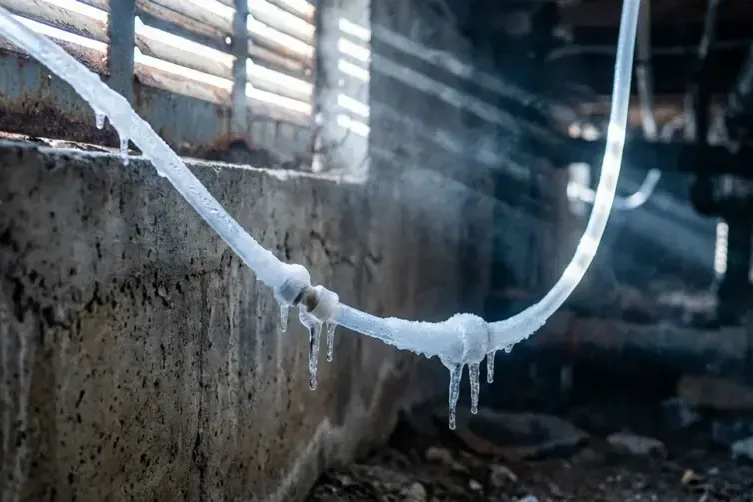
What to do the moment you find a frozen or split pipe
- Step 1Close the main valve
Water is shut off at the main, and the crew locates the thaw point from the wet area.
- Step 2Extract the thaw water
Pumps and wands clear the garage floor, the attic drip zone or the base of the wall.
- Step 3Open and dry
Soaked insulation is removed and the wall or ceiling section is opened where readings run high.
- Step 4Clear and document
Equipment stays until readings meet the dry goal, with photos and logs saved for the claim.
A frozen pipe rarely leaks while it is frozen. The split opens as the ice melts and pressure returns, so water arrives all at once in a place nobody was watching. Any home with exposed pipe in a garage, an attic or an outside wall can have this happen after a hard cold snap, and no local freeze record is needed for the cleanup to work the same way: stop the water, remove it and dry what it reached.
What does frozen pipe water damage cost in Highland, CA?
A thaw split in a garage or one wall often falls between $1,500 and $3,500, while an attic split that soaks a ceiling runs higher, and several finished rooms after a thaw can pass $9,500. The size of the attic or wall section that soaked decides where it lands.
- Garage floor extracted
- One wall section opened
- Short drying period
- Insulation removed above
- Ceiling section cut and dried
- Readings checked daily
- Water traced through walls
- Flooring dried or removed
- Longer equipment run
The drivers are the water category, the square footage, the material class and how fast drying started. For a planning range, try the water damage cost calculator.
How frozen pipe cleanup is handled in Highland
- 1
Locate the thaw point
The crew traces the water back to the split pipe and checks whether power or ceiling light fixtures sit in the wet zone.
- 2
Clear the water
Extractors remove the liquid from floors while wet insulation and ruined stored items are bagged and set aside for the adjuster.
- 3
Open and dry cavities
Cold, damp wall space dries slowly, so openings are made where readings are high and warm air is moved through them.
- 4
Confirm dry and close
A final meter pass checks studs, plates and flooring against a dry reference before any equipment is removed.
The standard behind frozen pipe cleanup
Meters trace which wall section the thaw water reached.
Pulls moisture from cold, enclosed cavities.
Removes soaked attic insulation without scattering it.
Moves heated air through wall openings.
Where thaw water ends up
Exposed pipe usually runs through spaces nobody conditions, so the water lands in garage floors, attic insulation or the upper part of an outside wall. From there it drips through ceilings, runs down studs and settles along the bottom of a wall. The crew follows each route with meters before deciding where to open.
- Garage slabs are extracted and any stored boxes are lifted and dried
- Attic insulation that soaked through is removed and replaced later
- Wall sections along an outside wall are cut where meters read wet
Drying a split pipe loss
Once a plumber has repaired the split, drying proceeds on its own schedule. Dehumidifiers pull moisture from enclosed cavities, and air movers help flooring release water. Cold, damp spaces dry slowly, so the equipment may run longer than in a warm room. See water extraction for the first phase of the work.
Preventing the next one
Insulating exposed pipe and opening cabinet doors on cold nights reduces the risk, and the federal winter weather safety advice covers shutting off water when a house will be empty. The weather service winter safety page lists cold snap warnings worth watching. Pipe sleeves are inexpensive compared with a ceiling replacement.
Related water damage services in Highland
Frozen pipe water damage around Highland
Thaw cleanups are handled across Highland ZIP code 92346, in garages, attics and outside walls of homes in East Highlands, Greenspot and the neighborhoods around Highland Avenue.
The same service nearby: frozen pipe water damage in Banning, Yucaipa, Calimesa.
Frozen Pipe Water Damage questions
Why does a frozen pipe leak after it thaws?
Ice holds a split closed. When it melts and pressure returns, water pours through the crack, usually in an unwatched space like a garage. That is why the damage often shows up hours after the cold has passed, when nobody is watching the pipe.
Should the main valve be closed?
Yes. Closing it stops the flow into the crack and limits how much the crew has to remove.
Will insulation have to be thrown out?
Soaked insulation holds water against framing and rarely dries well, so it is removed and replaced after the structure is dry. Replacement is done once the attic and ceiling read dry, so new insulation stays dry.
How long does an attic split take to dry?
Cold spaces dry slowly, so several days is common. The readings decide, not the calendar.
Does homeowners insurance cover a frozen pipe split?
Many policies cover sudden splits, though conditions vary. Photos and readings from the drying visit help show the extent of the loss. Cold snap damage often counts as sudden, but the wording of the policy decides.
Can the pipe be repaired by the drying crew?
No. A plumber handles the repair, and the crew handles water removal and drying around it.
What can be done to prevent another split?
Pipe insulation, open cabinet doors on cold nights and shutting off water before a long absence all lower the risk.
Ice melted and water is coming through the ceiling?
(888) 563-9619Ask about the thaw leakDry out the thaw damage
Water from a split pipe spreads through garage, attic and walls once the ice is gone, so a prompt call keeps the damage smaller.