Sewage Backup Cleanup in Highland, CA
When a toilet, tub or floor drain pushes sewage into the home, the cleanup has to be sanitary. The crew contains the area, removes the water and soaked materials, disinfects the surfaces and dries the structure.
(888) 563-9619Contain the sewage safely- Sanitary cleanup
- Porous items removed
- Surfaces disinfected
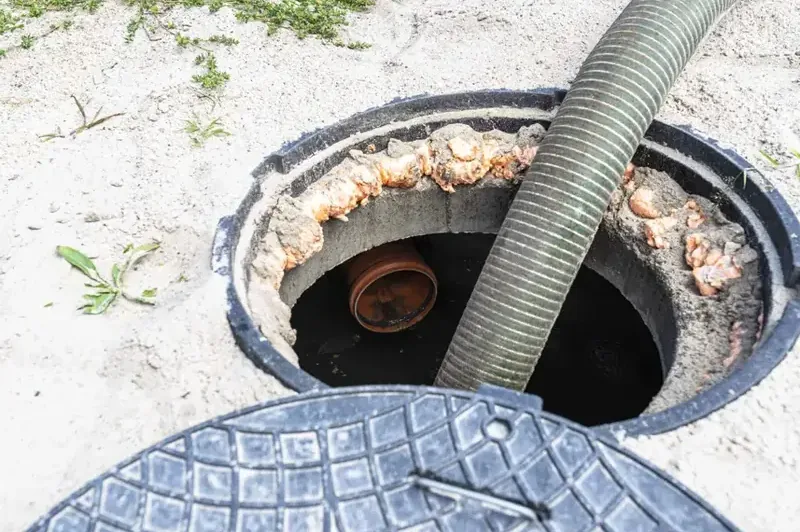
What to do the moment you find a sewage backup
- Step 1Isolate the area
Barriers and sealed vents keep contamination in the affected rooms and out of the rest of the home.
- Step 2Remove the water
Pumps and extractors clear the sewage water while the crew wears protective gear throughout.
- Step 3Discard porous items
Carpet, pad and soaked drywall are cut out and bagged as contaminated waste.
- Step 4Disinfect and dry
Surfaces are disinfected and the structure is dried and tested.
A sewage backup is more than wet flooring. The water carries bacteria and viruses, and any person or pet who touches it can get sick. East Valley Water District runs the sewer system in the city, which grew to replace septic tanks, and a backup into a home needs careful, sanitary cleanup whatever its cause. Which party owns the failing pipe is a separate question for the plumber and the district.
What does sewage backup cleanup cost in Highland, CA?
A bathroom with a hard floor typically costs $2,500 to $4,500, several rooms with carpet run $4,500 to $9,500, and widespread or long-sitting backups can reach $15,000 or more. The number of rooms touched and how long the water sat drive the total most.
- Water removed completely
- Floor disinfected twice
- Baseboards cleaned and checked
- Carpet and pad discarded
- Walls cut and cleaned
- Drying equipment run
- Lower walls removed
- Subfloor cleaned deeply
- Extended drying and documentation
The drivers are the water category, the square footage, the material class and how fast drying started. For a planning range, try the water damage cost calculator.
How sewage cleanup is handled in Highland
- 1
Contain and protect
The crew seals off the area, sets up protective barriers and puts on gear before touching anything in the contaminated rooms.
- 2
Remove and discard
Standing sewage is pumped out, and carpet, pad, insulation and soaked drywall are bagged and sent for proper disposal.
- 3
Clean and disinfect
Hard surfaces and framing are scrubbed with cleaners and disinfectant, which reduces contamination before drying starts.
- 4
Dry and verify
Dehumidifiers and air movers dry the cleaned area, and final readings confirm it is dry before the room is reopened.
The standard behind sewage cleanup
Keep contaminants off workers and out of other rooms.
Treats hard surfaces after removal.
Filter air in the contained area.
Hold contaminated material safely.
How contamination is contained
Crews set up barriers and cover vents so air carrying contaminants stays in the affected area. Technicians wear protective suits, gloves and respirators. Everything that is touched is treated as contaminated until it has been cleaned, disinfected and tested with a meter for dryness.
- Doors and vents are sealed and walkways are marked off
- Soaked carpet, pad and drywall are bagged and discarded
- Hard floors and framing are washed and disinfected before drying
What cannot be saved
Porous materials that have absorbed sewage are not worth keeping. Carpet, pad, insulation, soft furniture and the lowest part of drywall are removed and disposed of. Tile, concrete and framing can be cleaned and returned to service after disinfection and thorough drying. Wood furniture and solid framing are cleaned, while mattresses, upholstery and stuffed items are not worth the health risk. Photos of discarded items are taken first so the claim can list them.
Reporting and health
Report the backup to the district as well as the cleanup crew so the cause is checked. Basic health and cleanup advice from the public health agency and the environmental protection agency covers protective steps. The structural drying page covers the last phase. Children and pets stay out of the area until the crew clears it.
Related water damage services in Highland
Sewage backup cleanup around Highland
Sewage cleanup serves Highland ZIP code 92346, including homes along Greenspot Road and Base Line, East Highlands, Boulder Avenue and shops around the Palm Avenue historic core.
The same service nearby: sewage backup cleanup in Banning, Yucaipa, Calimesa.
Sewage Backup Cleanup questions
Is sewage water dangerous to touch?
Yes. It carries bacteria and viruses, so people and pets should stay out until trained crews have cleaned the area.
Can carpet be cleaned after a sewage backup?
Usually not. Carpet and pad that absorbed sewage are discarded, because they cannot be made safe.
Who is responsible for a sewer backup?
That depends on where the blockage sits. The district and a plumber help find the cause, and the crew handles the cleanup. Locating the blockage is a plumbing task, not a cleanup task.
Is sewage cleanup covered by insurance?
Many policies cover backups only with an extra endorsement. The policy should be checked for backup coverage.
How is the air kept safe during the work?
Barriers, sealed vents and air scrubbers keep contaminants in the work area, and crew wear respirators. Hard flooring underneath often survives.
Can the toilet be used again right away?
Not until the cause is fixed. A plumber confirms the drain is clear and the area has been disinfected.
How long does sewage drying take?
Several days after the cleaning step, with disinfecting done first. Readings decide when the equipment leaves. Dehumidifiers are used after cleaning, not before.
Sewage coming back up through a drain?
(888) 563-9619Ask about the backupClean up the backup safely
Contaminated water gets worse the longer it sits, so call right away to arrange containment, removal and disinfecting by a trained crew.