Structural Drying in Yucaipa, CA
Removing standing water is only half of the job. Framing, subfloors and drywall hold moisture for days, and they have to be dried to a measured target before the house is rebuilt.
(888) 563-9619Book the drying setup- Daily moisture readings
- Air movers placed
- Dehumidifiers sized
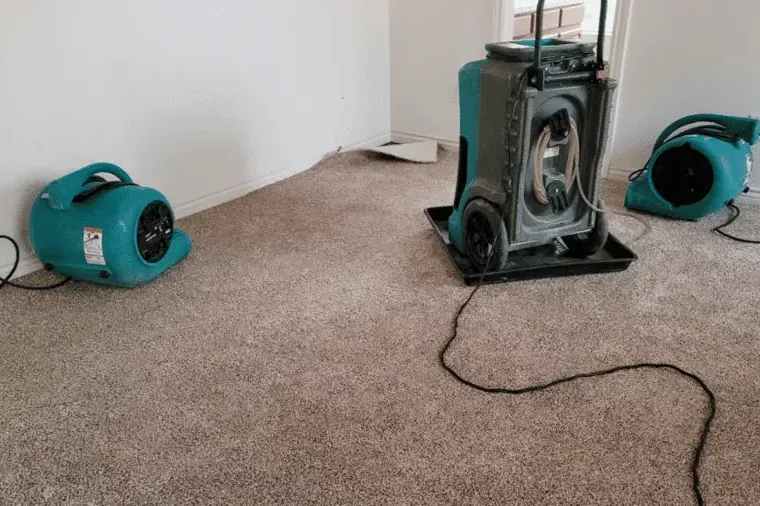
What to do the moment you find wet walls and floors
- Step 1Measure on arrival
Meters and a thermal camera record moisture in every wet material and in the room air.
- Step 2Set the equipment
Air movers, dehumidifiers and mats are placed to match the class and size of the loss.
- Step 3Check each day
Readings are repeated and equipment is moved or removed as areas reach their goal.
- Step 4Sign off
Final readings and a written report confirm that the structure is dry and ready to rebuild.
Drying is a science, not a guess. Wet materials release moisture into the air, and that moist air has to be removed or it settles back into the building. Structural drying controls the air, the temperature and the airflow so that framing, drywall and floors give up their water on a plan. Without that control, a house can feel dry while the wood inside still holds enough water to warp floors or cause problems later.
What does structural drying cost in Yucaipa, CA?
Structural drying typically costs $1,200 to $9,000+. A light loss in one area is the least expensive, ceilings and walls cost more, and dense materials such as thick plaster or hardwood require the longest drying time and the most equipment. Final pricing follows a walk through.
- A few air movers and one dehumidifier
- Daily readings
- Short drying period
- More equipment across rooms
- Wall cavities opened and dried
- Several days of monitoring
- Specialty drying for dense materials
- Extended equipment time
- Detailed readings and reports
The drivers are the water category, the square footage, the material class and how fast drying started. For a planning range, try the water damage cost calculator.
How structural drying is handled in Yucaipa
- 1
Take baseline readings
The crew records moisture in each wet material and compares it with dry samples taken from the same building.
- 2
Place the equipment
Air movers and dehumidifiers are set to move air across wet surfaces and to remove the moisture released from them.
- 3
Monitor and adjust
Every visit includes new readings, and equipment is moved to areas that are still wet and removed from dry ones.
- 4
Verify and report
When all materials reach the goal, the equipment is taken out and a written record is delivered to you.
The standard behind structural drying
Low grain units pull moisture from the air quickly.
High velocity fans speed evaporation from surfaces.
Show whether a material has reached its dry goal.
Finds damp areas that cannot be seen.
Local weather and drying
Dry summer air helps drying in Yucaipa, since the months from June through September each average under half an inch of rain. The wet months of January through March work the other way, and slow drying because the outside air is humid. The crew adjusts equipment to the season and keeps the structure closed, so doors and windows stay shut and the dehumidifiers are not fighting outside air.
How equipment is placed
- Air movers sit along walls and across floors to push air over wet surfaces.
- Dehumidifiers remove the moisture from the air so materials keep releasing water.
- Drying mats and wall cavity systems pull water from areas fans cannot reach.
- Temperature is managed because warm air holds more water and speeds evaporation.
Measured, not guessed
Readings are taken on the first visit and repeated each day. The crew compares wet materials with dry ones in the same building and adjusts the equipment until the numbers match. The S500 standard guides the method, and the report shows when each area reached its goal, which is useful for an insurer, a contractor and a future buyer who asks what happened.
Classes of water loss
Light wetting of a single area is a lower class than water soaked into dense plaster, hardwood or masonry, which needs much more drying power. After a sudden event such as a burst pipe, the class sets how many machines are placed and for how long.
Related water damage services in Yucaipa
Structural drying around Yucaipa
Structural drying covers ZIP 92399 across Yucaipa, including Wildwood, North Bench, Oak Glen, Mentone and Cherry Valley, at every hour of the day and on every day of the week.
The same service nearby: structural drying in Banning, Calimesa, Highland.
Structural Drying questions
How long does structural drying take?
Most jobs take three to five days of equipment, though dense materials can take longer. Readings decide when it is finished.
Why are the machines so loud?
Air movers and dehumidifiers move large volumes of air. The noise is the cost of drying the structure properly.
Can I use my own fans?
Household fans help a little, but they cannot control humidity. Professional dehumidifiers are needed to pull moisture out of the air.
Will my power bill rise?
Yes, during the drying period. Your insurer may help with the added cost, so keep the power bill from that month.
Why does the crew return each day?
Readings are taken every visit to confirm progress, and equipment is moved as areas dry.
Can drywall be dried instead of replaced?
Often yes, if it was caught early and was not contaminated. Sagging or sewage soaked drywall is removed.
What is the S500 standard?
It is the industry standard for water damage restoration and sets the method for measuring and drying wet materials.
Can furniture stay in the room?
Light items are lifted onto blocks or moved out so air reaches the floor. Heavy pieces are protected and checked for moisture.
Water gone but the walls still damp? A drying plan comes next.
(888) 563-9619Ask about drying equipmentDry the structure to a number
Moisture left in framing and drywall causes warping, odors and decay, so measured drying protects the rebuild.